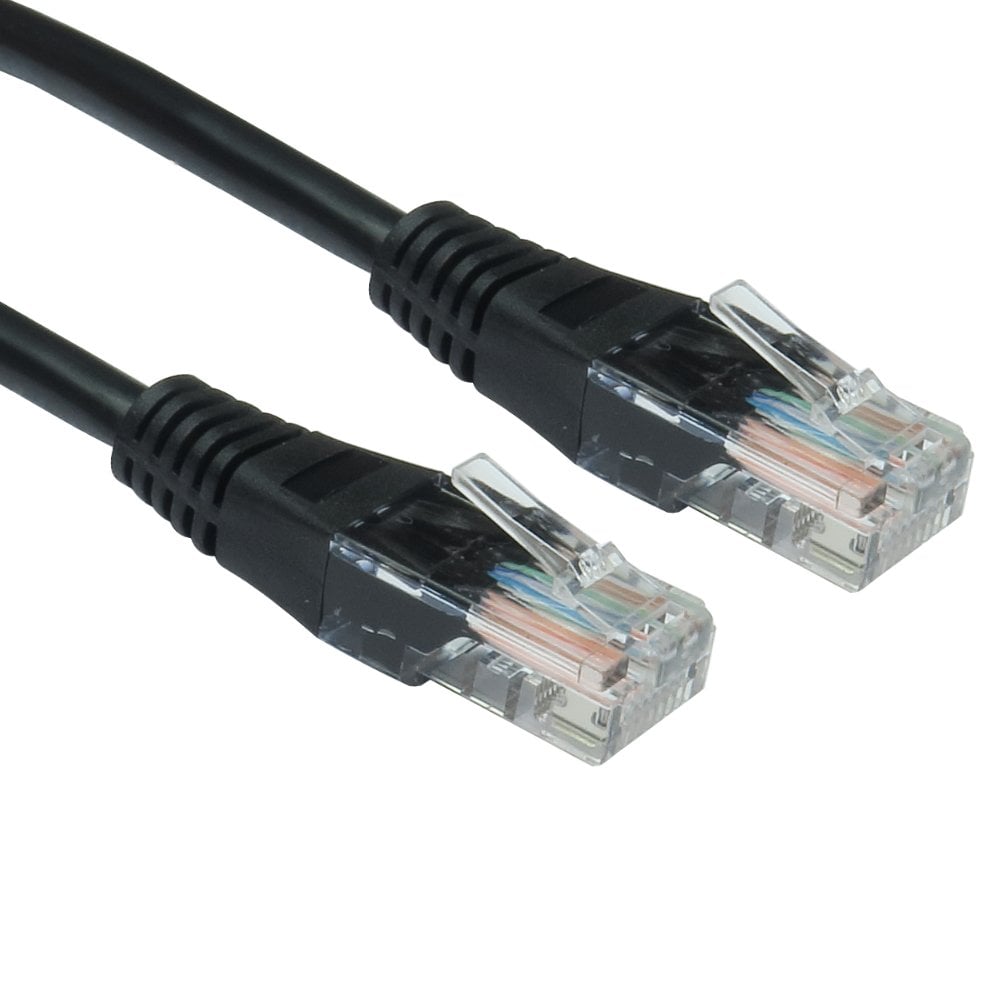
Network Cables and Ethernet Patch Leads
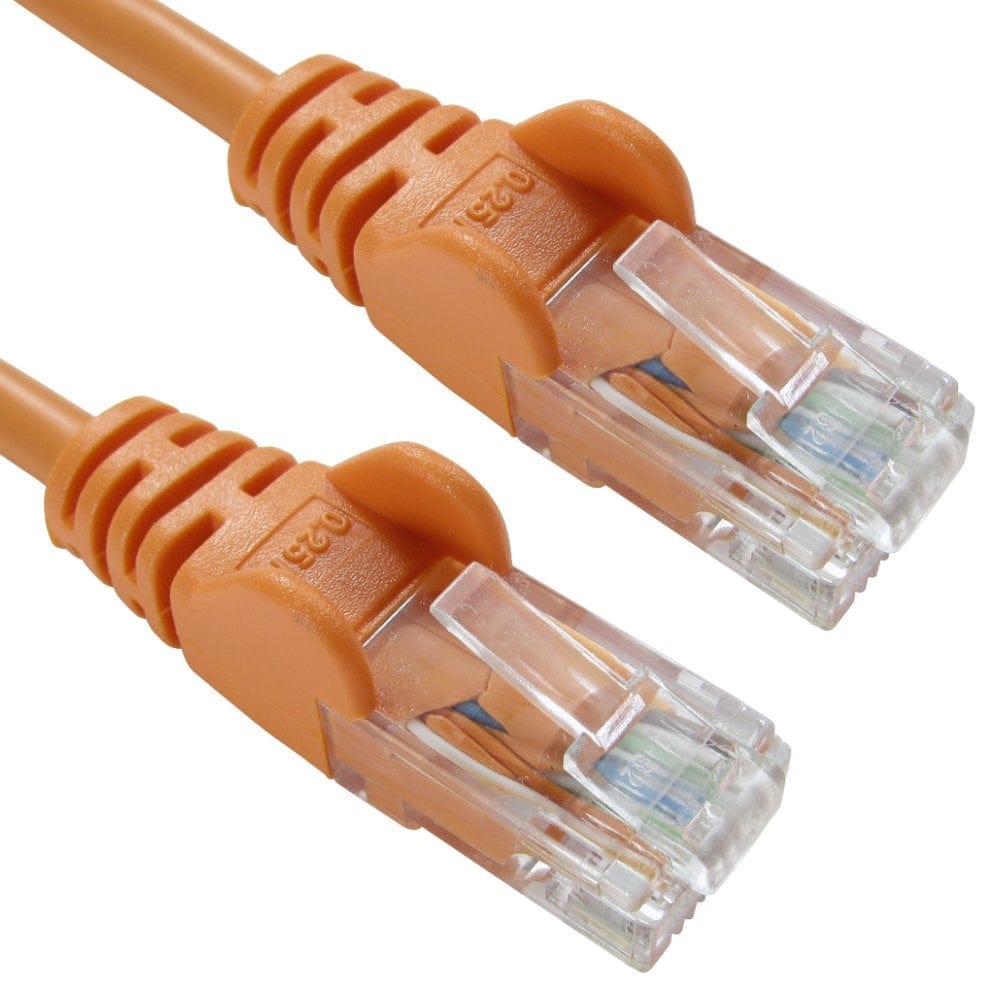
Network cables, also called ethernet cables or patch leads, connect computers, routers, switches, smart TVs and games consoles to a wired network. We stock CAT5e, CAT6, CAT6A and CAT8 patch cables from 0.1m to 50m, in over 1000 colours and lengths, at trade prices with next working day delivery.
Read more
The range covers economy and full copper conductors in 24AWG and 26AWG, unshielded UTP and shielded FTP, low smoke zero halogen (LSZH) cables and snagless patch leads. For runs of 15m or more, see our long Ethernet cables from 15m to 50m, and for tidy cabinets and desks our short Ethernet cables from 15cm to 1m. Wiring up security cameras? Our guide to Ethernet cable for CCTV and PoE cameras explains which cable, plugs and tools to use.
Shop by type
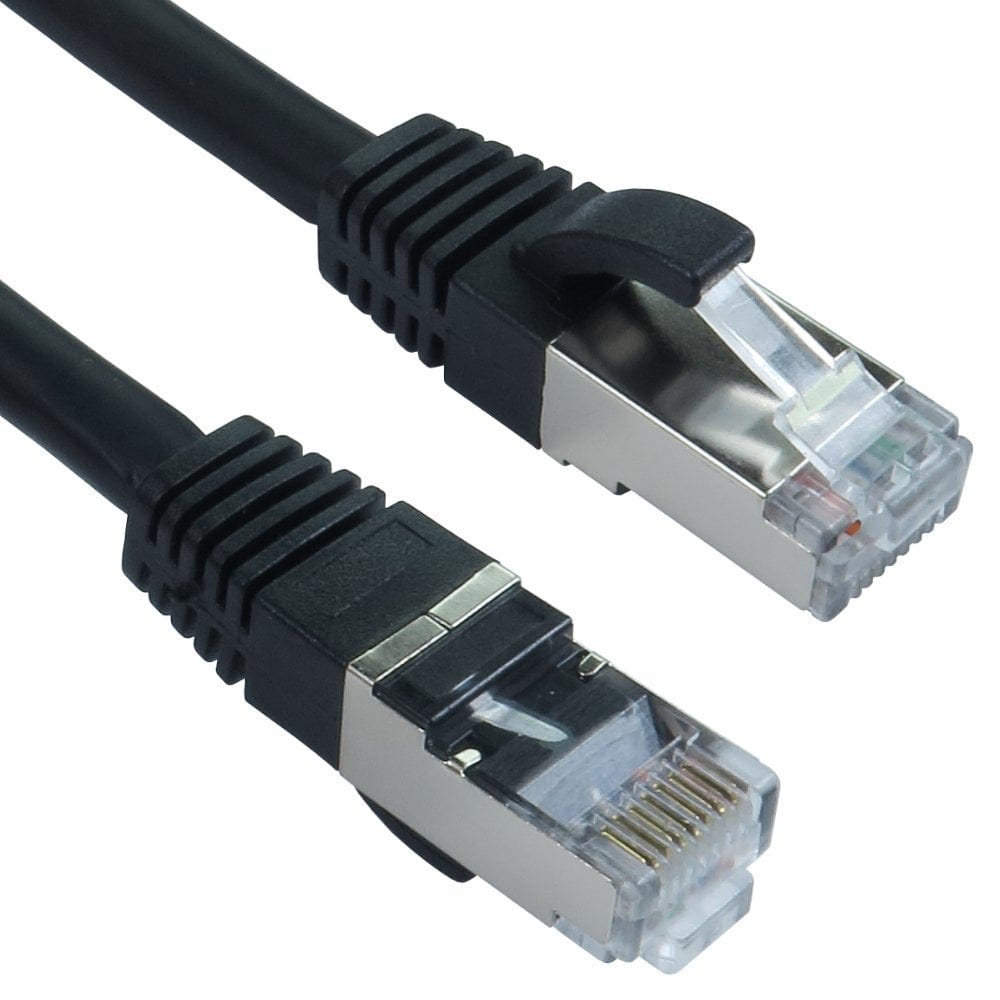 CAT8 Full Copper31 products
 CAT5e Economy121 products
 CAT5e Full Copper661 products
 Outdoor Network Cables16 products
 CAT6 Economy91 products
 CAT6 Full Copper814 products
 CAT6A Full Copper396 products
 CAT5e Angled14 products
 CAT5e Flat Full Copper28 products
 CAT5e Crossover47 productsCAT6 Crossover6 products
 Extension Male to Female17 products
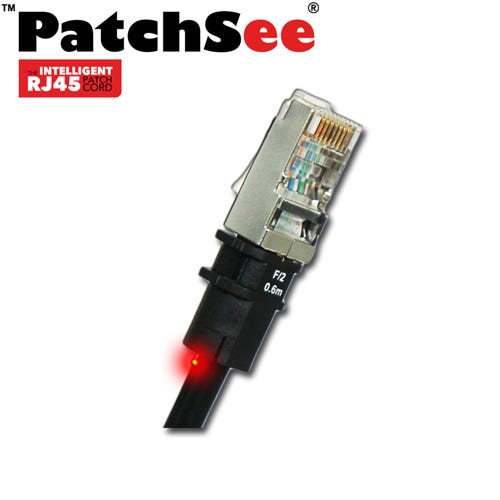 Traceable Patch Leads70 products
 Network Economiser6 products
Popular in Network Cables
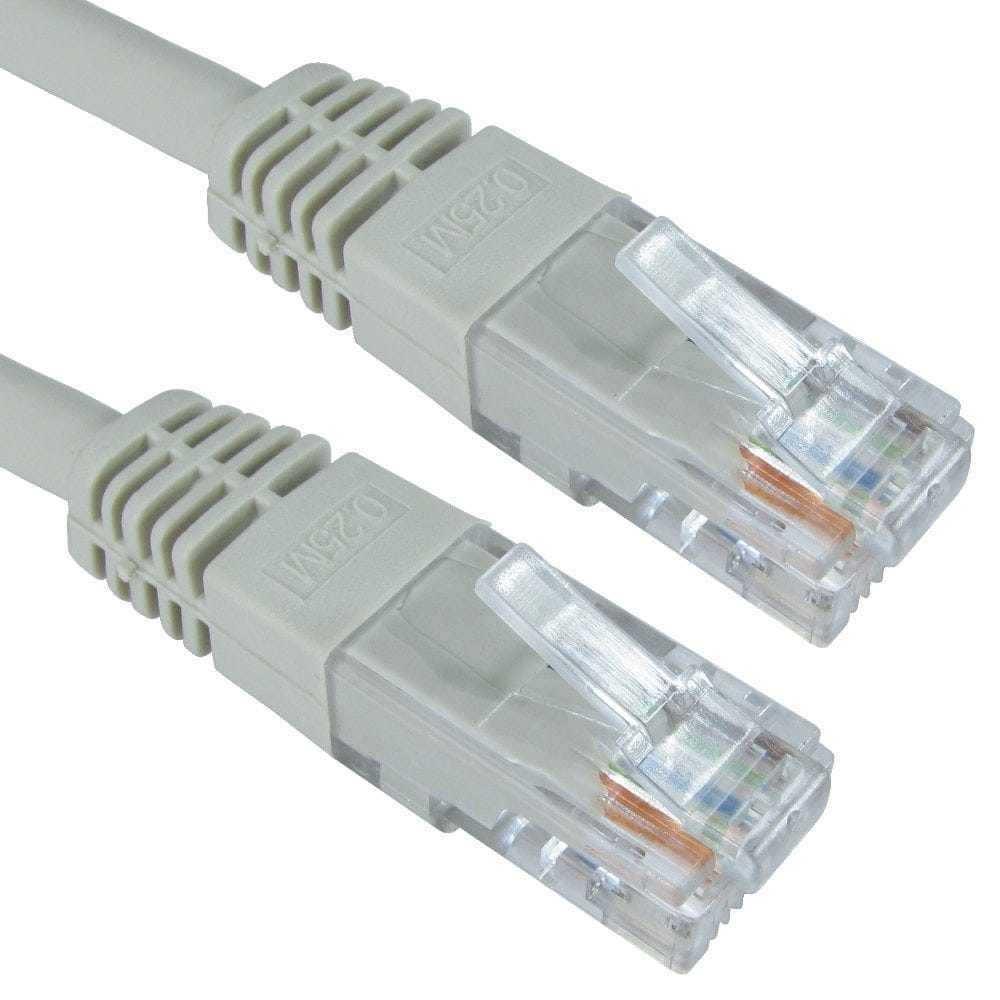
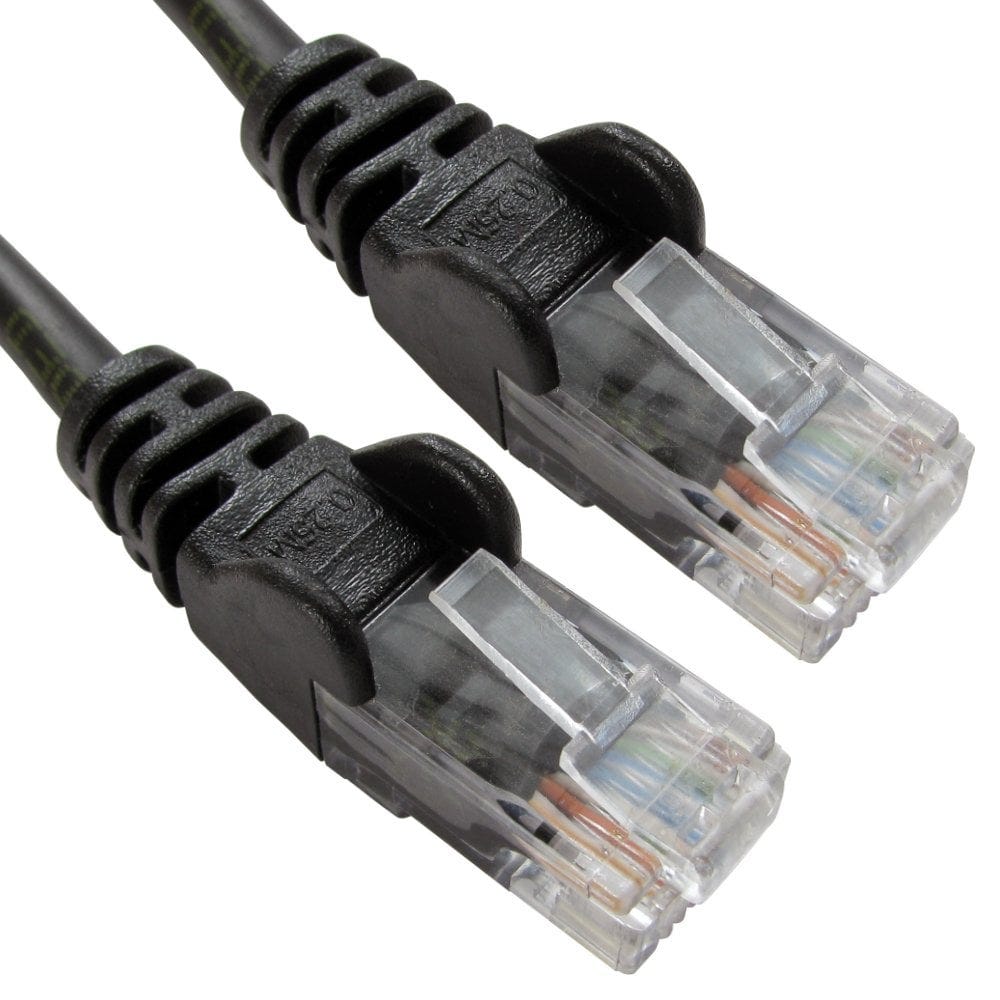
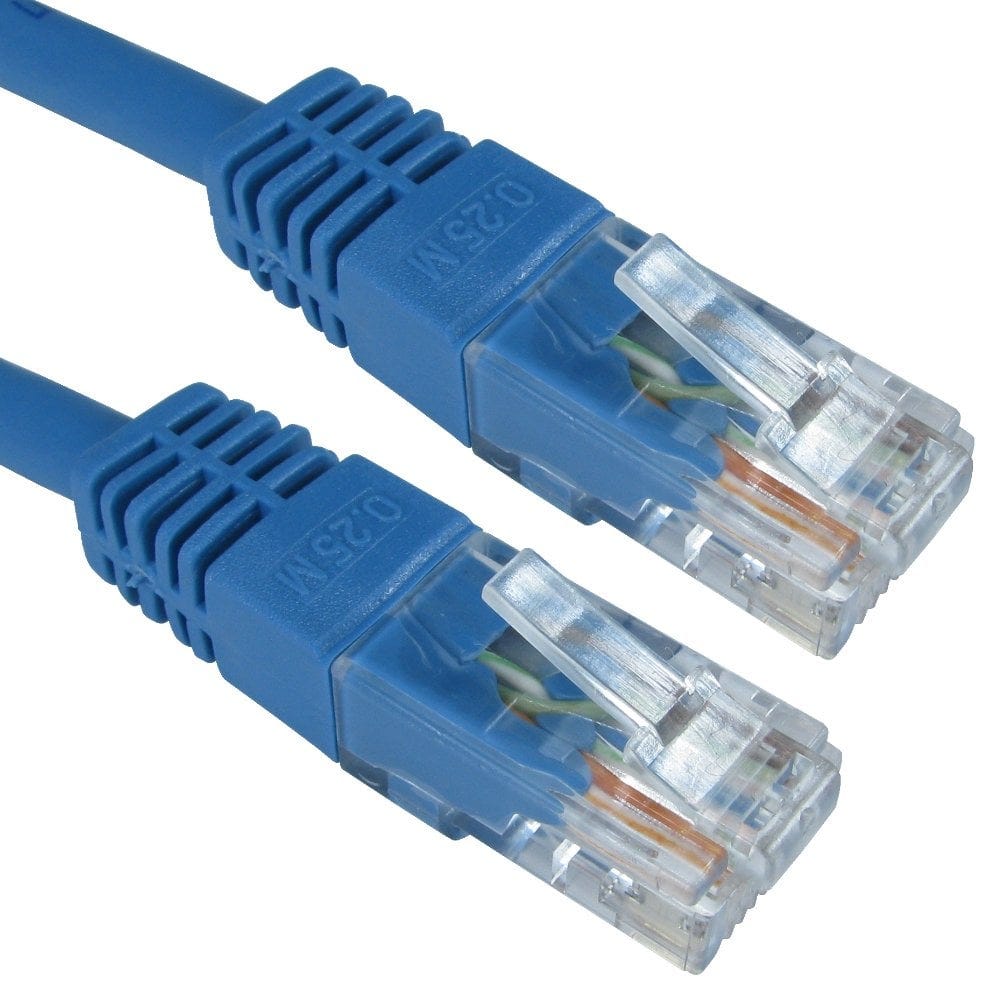
CAT5e vs CAT6
Ethernet cables are graded by the data speed they can carry. CAT5e and CAT6 both support Gigabit ethernet (1000 Mbps) and all lower speeds. CAT6 has a tighter twist in each wire pair, which gives better noise immunity, lower delay and skew, and allows 10 Gigabit networking over runs of up to around 50m.
CAT6A
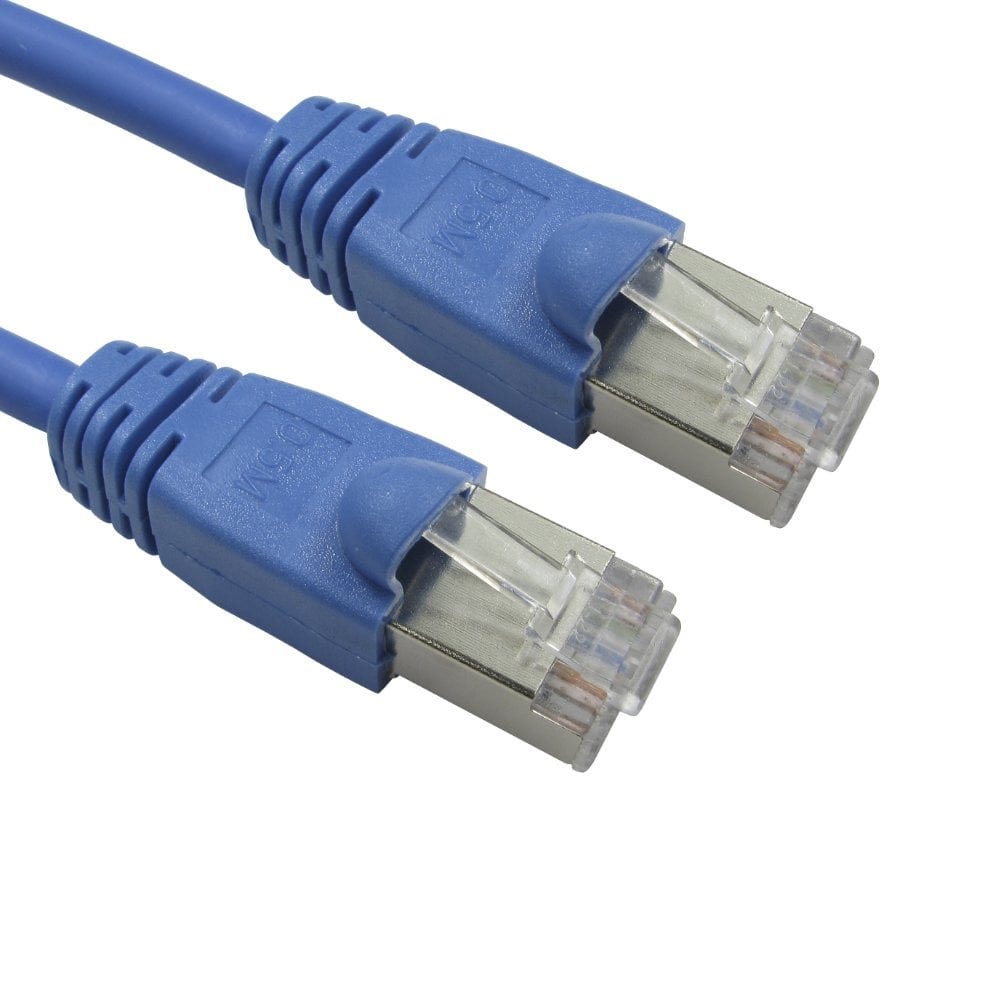
CAT6A tightens the twist further and carries 10 Gigabit networking over the full 100m. Most CAT6A, including ours, is shielded, which keeps interference out on long runs and in busy comms cabinets.
CAT8
CAT8 is a fully shielded cable for short, very fast links of up to 30m, such as switch to server connections in a comms room or data centre. It supports 25 and 40 Gigabit ethernet as well as all slower speeds.
LSZH and snagless patch leads
LSZH cables give off little smoke and no halogen gases if they catch fire, which is why they are specified for offices, schools, hospitals and other public buildings. Snagless leads have a moulded boot over the locking tab, so the plug will not catch and snap when the cable is pulled through other cables.
Which ethernet cable do I need?
For typical home use, such as connecting a router to a smart TV, a CAT5e ethernet cable is more than adequate, as the limiting factor will be your broadband speed. For new installations and faster networks choose CAT6 or CAT6A, and for HDMI over ethernet we recommend CAT6 full copper. For a full comparison of speeds, distances and uses, see our guide Which Ethernet cable do I need?, and for UTP, FTP and S/FTP explained, our guide to shielded vs unshielded Ethernet cable. Wiring a building rather than plugging in? See patch lead or bulk cable reel?