Patch Lead or Bulk Cable Reel?
You can connect equipment with a ready made Ethernet patch lead, or install your own cabling from a 305m reel and fit sockets or plugs on the ends. Leads are quick and need no tools; a reel gives a neater, permanent job and lets you cut every run to exactly the right length. This guide helps you decide, and explains the difference between solid and stranded cable.
Ready made lead or a reel?
| Choose a ready made lead when | Choose a reel when |
|---|---|
| the cable runs in the open, along a skirting board or across a room | the cable goes inside walls, ceilings, floors or trunking |
| you only need a few connections | you are wiring several rooms, desks or cameras |
| you want plug and play, with no tools | you want fixed wall sockets and a patch panel |
| there is room along the route for the plug to pass through | the cable has to pass through holes too small for a plug |
Ready made leads come in lengths up to 50m (see our long Ethernet cables). On price, it depends on the cable: long economy Cat5e leads can cost less per metre than a reel, while for Cat6A a reel is clearly cheaper per metre. These are our lowest reel prices today:
| 305m reel | Lowest price in stock | Works out per metre |
|---|---|---|
| CAT5e | £126.30 | £0.42 |
| CAT6 | £147.42 | £0.48 |
| CAT6A | £207.70 | £0.68 |
Remember to add the cost of faceplates or plugs, and a tool or two, if you do not already have them. For most people the deciding question is not price but whether the cable needs to be fixed in place.
Solid or stranded cable?
Solid core cable has a single copper wire for each of its eight conductors. It carries the signal and PoE power further with less loss, and it is the type that punches down into faceplates, keystone jacks and patch panels. It is meant to be installed and left alone: bent back and forth repeatedly, a solid conductor can crack. Our 305m reels come in both solid and stranded versions, so check the description before you buy.
Stranded cable has many fine wires in each conductor, so it stays flexible and survives being moved, plugged and unplugged. All ready made patch leads use it, and our stranded reels, including all our 500m reels, are for making up your own leads.
Use solid cable for the fixed run, and stranded patch leads at each end to connect the equipment.
The 90m + 10m rule
An Ethernet link can be up to 100m from end to end. In a building this is split into a fixed run of solid cable, from the patch panel to the wall socket, of up to 90m, and up to 10m in total of stranded patch leads at the two ends. Stranded cable loses a little more signal per metre than solid, which is why its share is kept short. Keep each fixed run within 90m and the whole link will work at full speed.
What goes on the ends
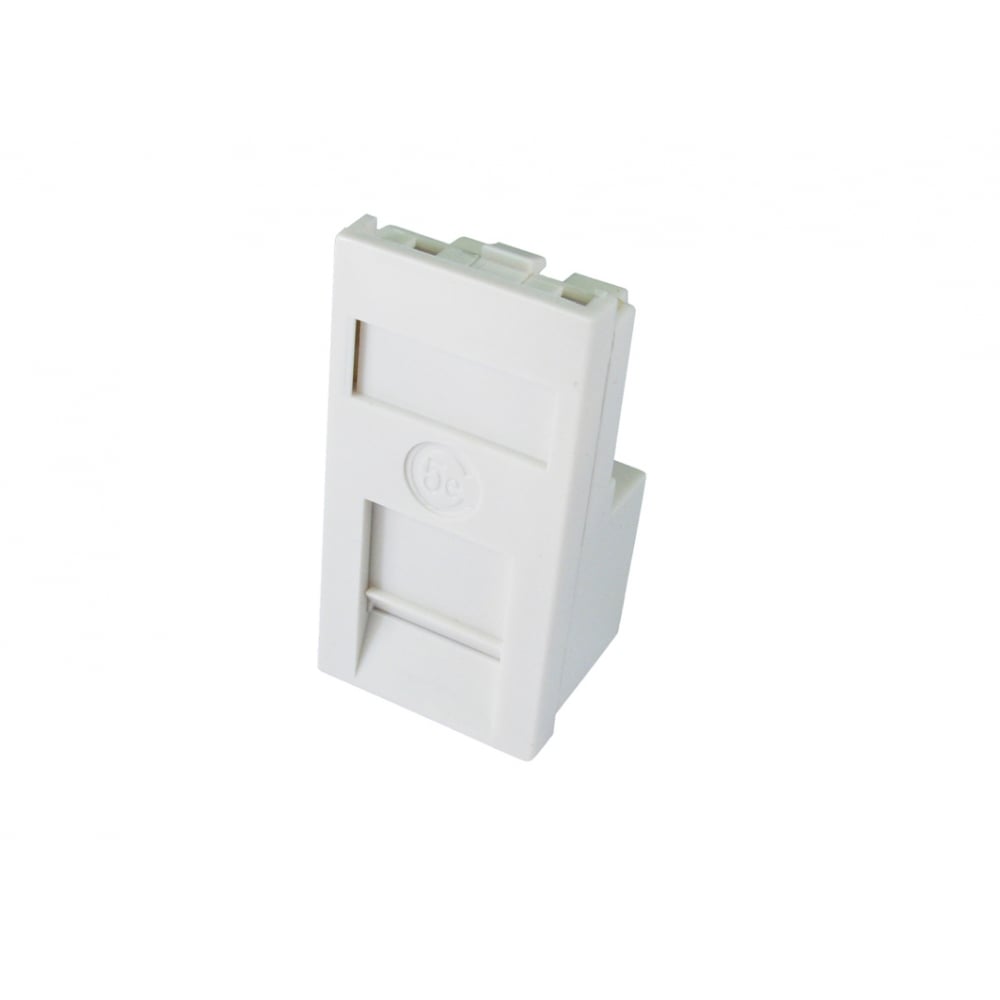
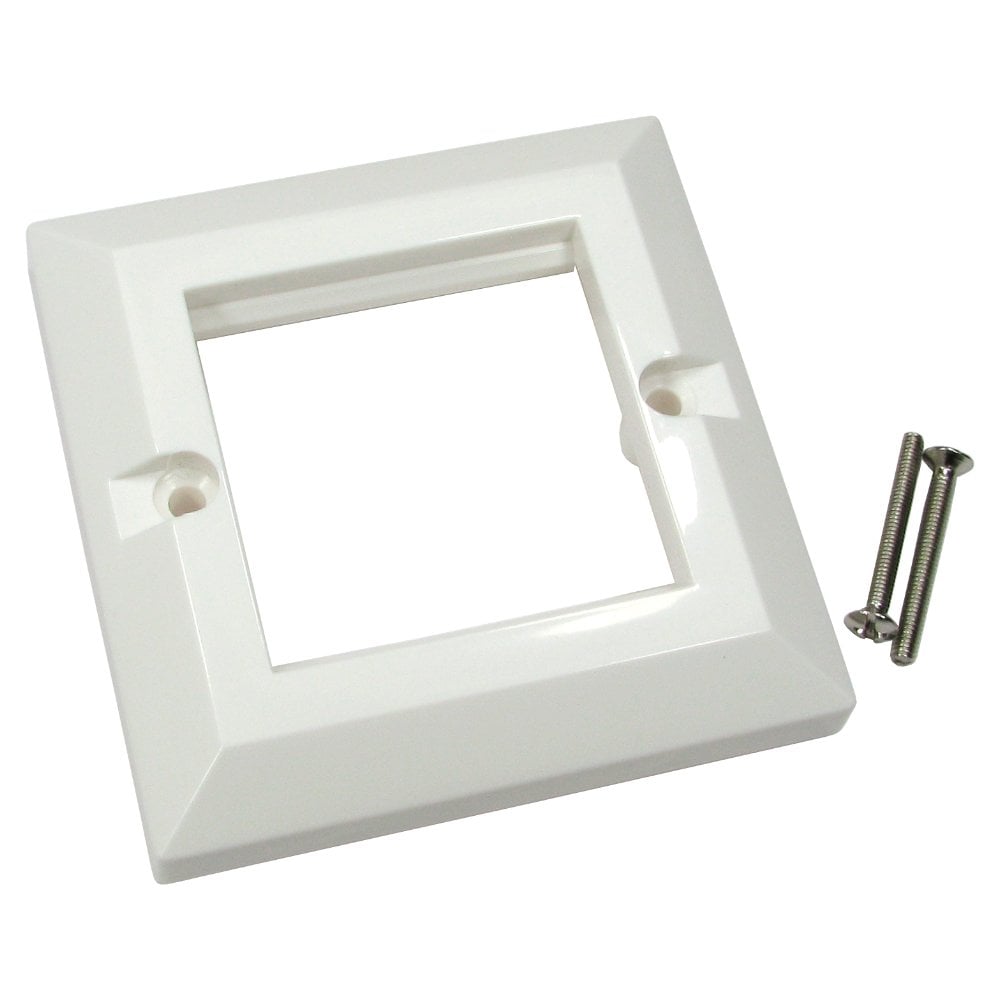
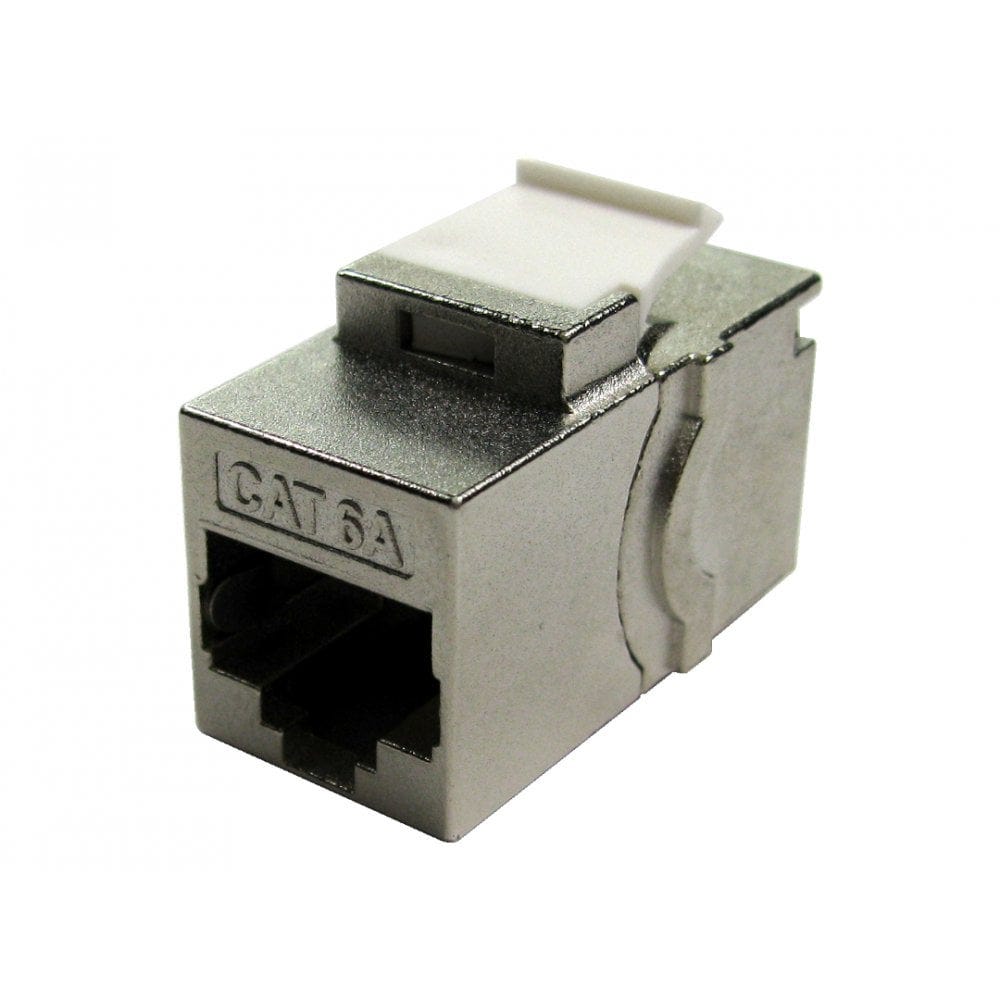
- Faceplates and keystone jacks give a neat wall socket. The solid cable punches down onto the back, and you plug in with a short patch lead.
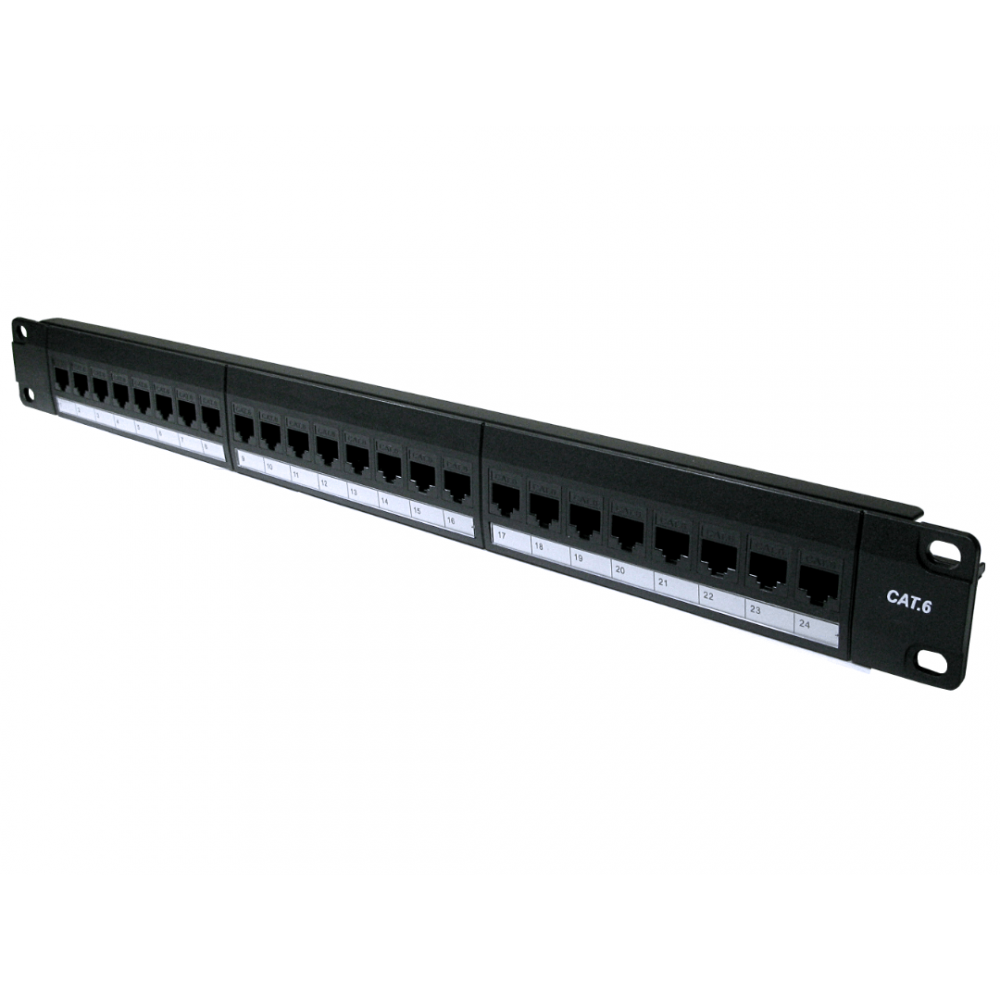
- Patch panels in a cabinet or on the wall gather all the runs in one place, numbered, ready to patch into a switch.
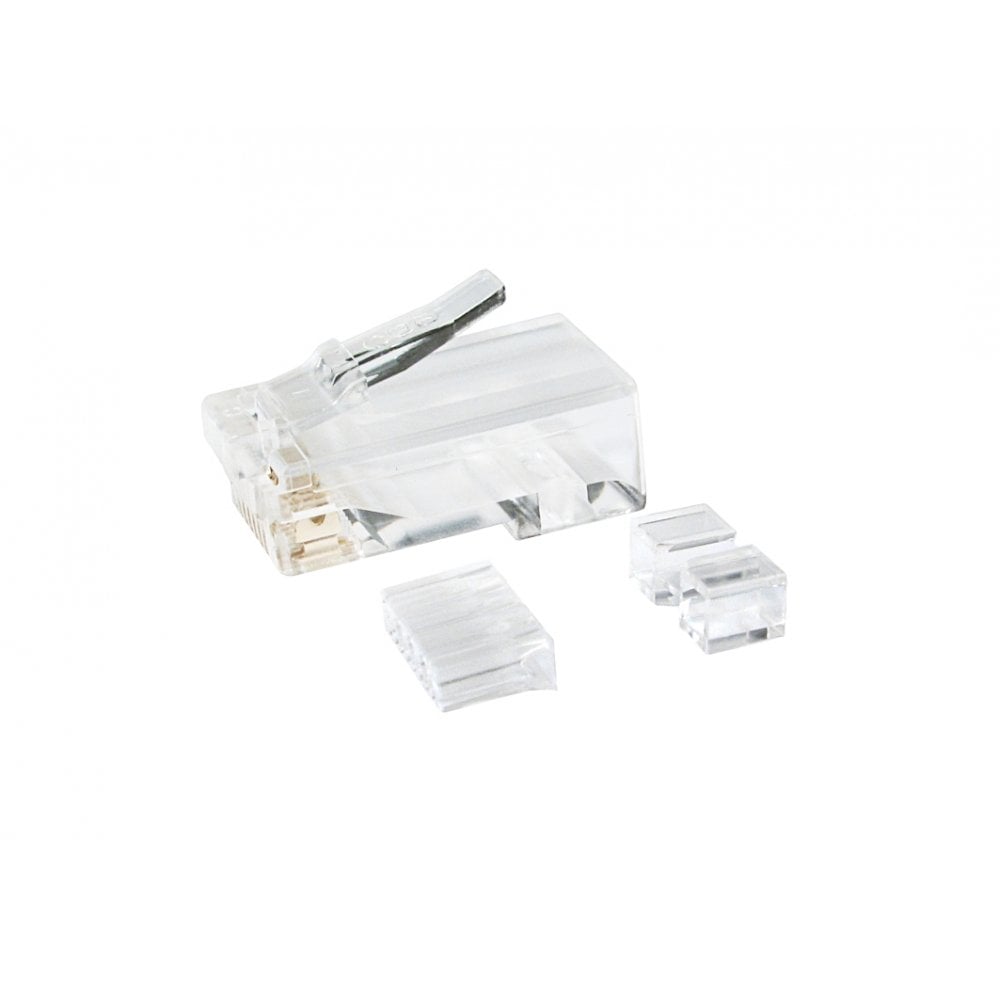
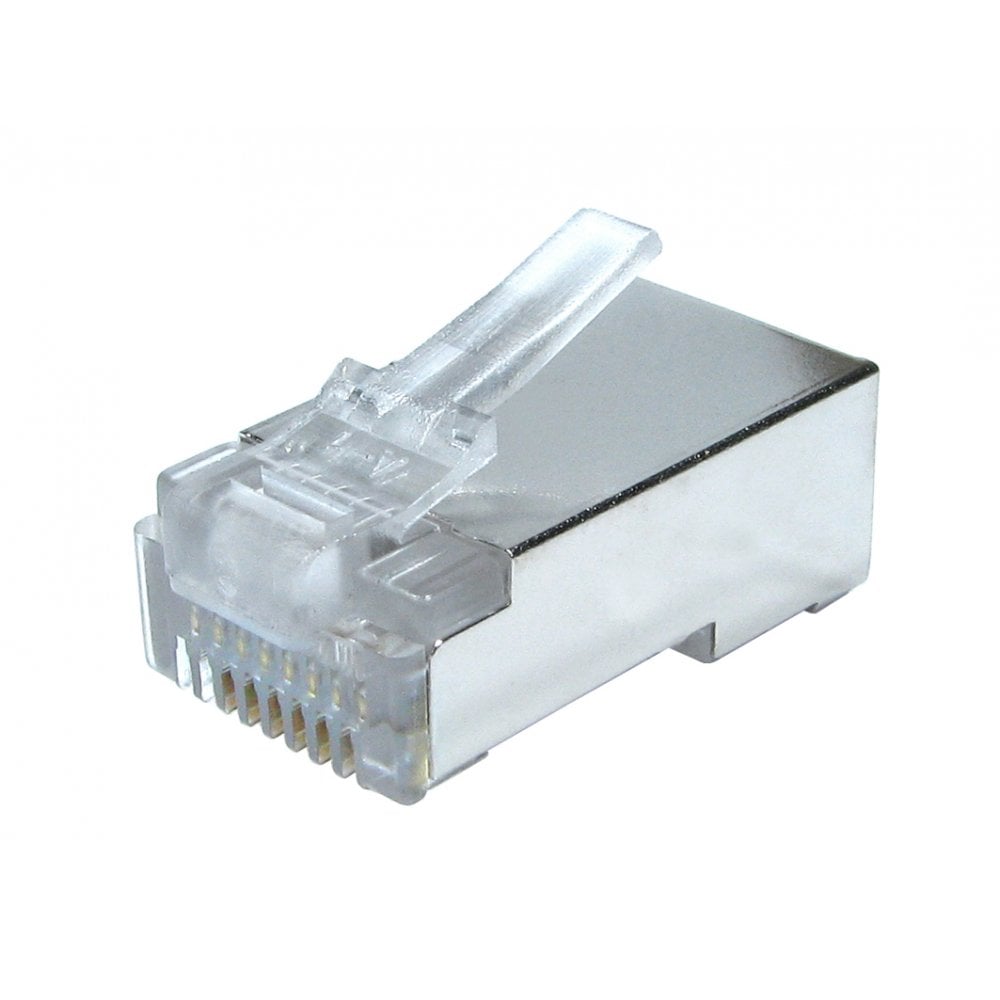
- RJ45 plugs go straight onto the cable, for example at a camera or access point. Use plugs that match the cable: plugs for solid cable, plugs for solid or stranded, or pass-through plugs, which are the easiest to get right.
Whichever you choose, match the category (Cat5e, Cat6 or Cat6A) and, for shielded cable, use shielded parts. Our shielded cable guide explains why.
Tools you will need
- A cable stripper or jacket stripper to remove the outer jacket without nicking the wires.
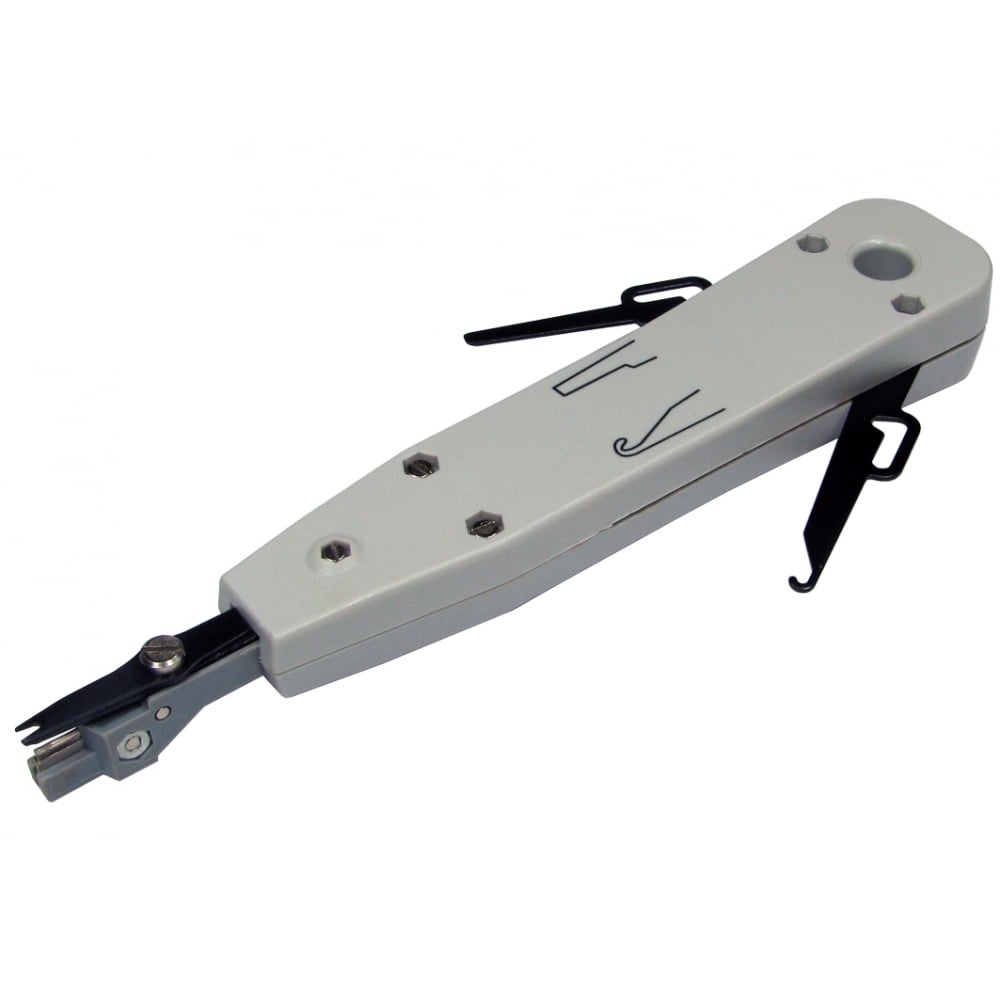
- A punch down tool for faceplates, keystones and panels, such as the IDC punch down tool or 110 impact tool, or a keystone termination tool.
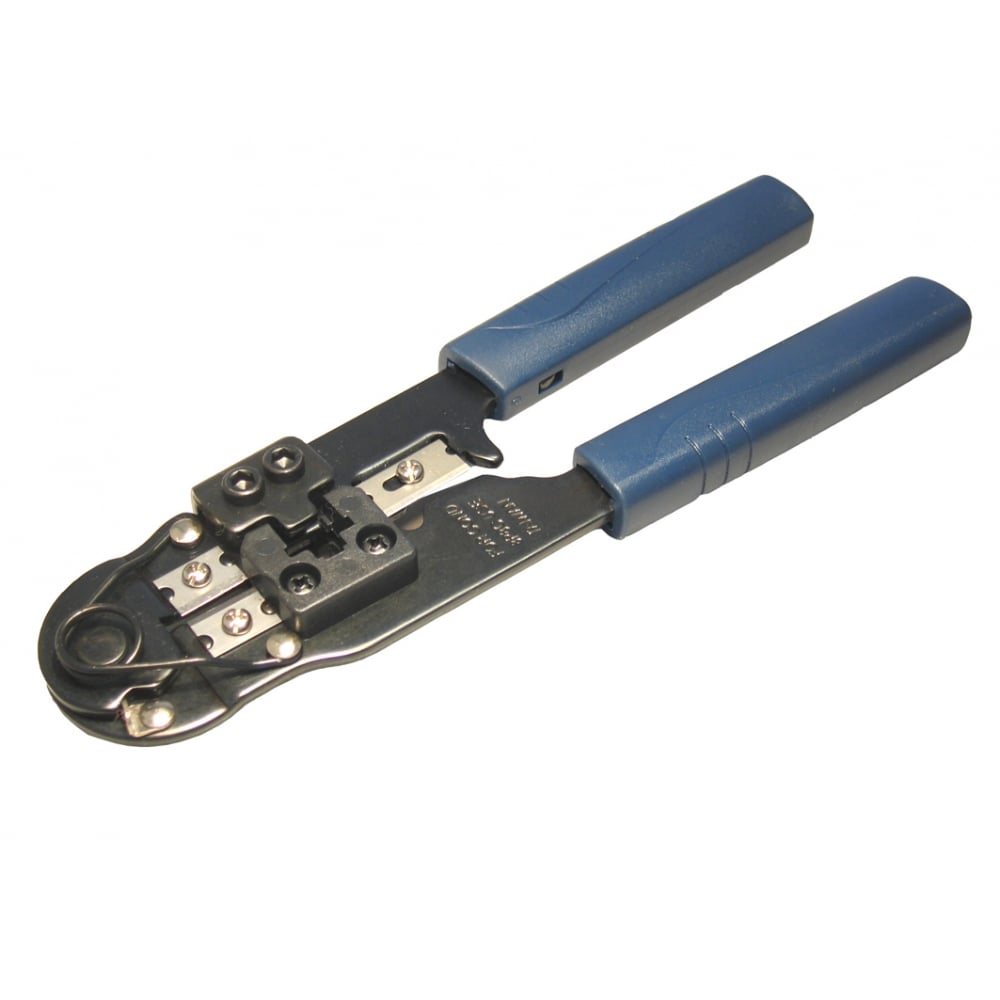
- A crimp tool to fit RJ45 plugs; pass-through plugs need a pass-through crimper.
- A tester, such as a continuity tester or network cable tester, to check every run before the walls are closed up.
How much cable do I need?
- Measure each run along the route the cable will actually take, including up and down walls and around obstacles, not in a straight line.
- Add a couple of metres at each end for making off and for a little spare.
- Add the runs together. A 305m reel covers, for example, ten runs of about 25m with room to spare. For bigger jobs, order more than one reel.
Cables of the same type but different colours are often used to show what each run is for, such as one colour for cameras and another for desks.
Fire ratings (CPR classes)
Cable installed permanently in a building is rated for how it behaves in a fire under the Construction Products Regulation (CPR). The main classes, from lowest to highest, are Eca, Dca, Cca, B2ca and B1ca; the higher the class, the slower the cable lets a fire spread. Many of our reels state their class in the description, from Eca to B2ca. Check which class your project, landlord or building requires before you buy. LSZH (low smoke zero halogen) jackets give off little smoke and no halogen gas, and are often asked for in offices and public buildings.
Pulling and fixing tips
- Do not pull too hard: the usual limit for four pair network cable is about 110 newtons (roughly 11kg of pull).
- Avoid sharp bends: keep the bend at least four times the cable's diameter, and more for shielded cable.
- Do not crush the cable with tight cable ties or staples; hook and loop ties are kinder.
- Keep network cable away from mains cables, and cross them at right angles.
- Untwist the pairs as little as possible when terminating, no more than about 13mm.
- Label both ends of every run and test each one before fixing faceplates and closing up walls.
Still not sure? Call us on 0207 100 6326 and we will help you choose.
Popular for installations