CAT6A Ethernet Cables
396 products
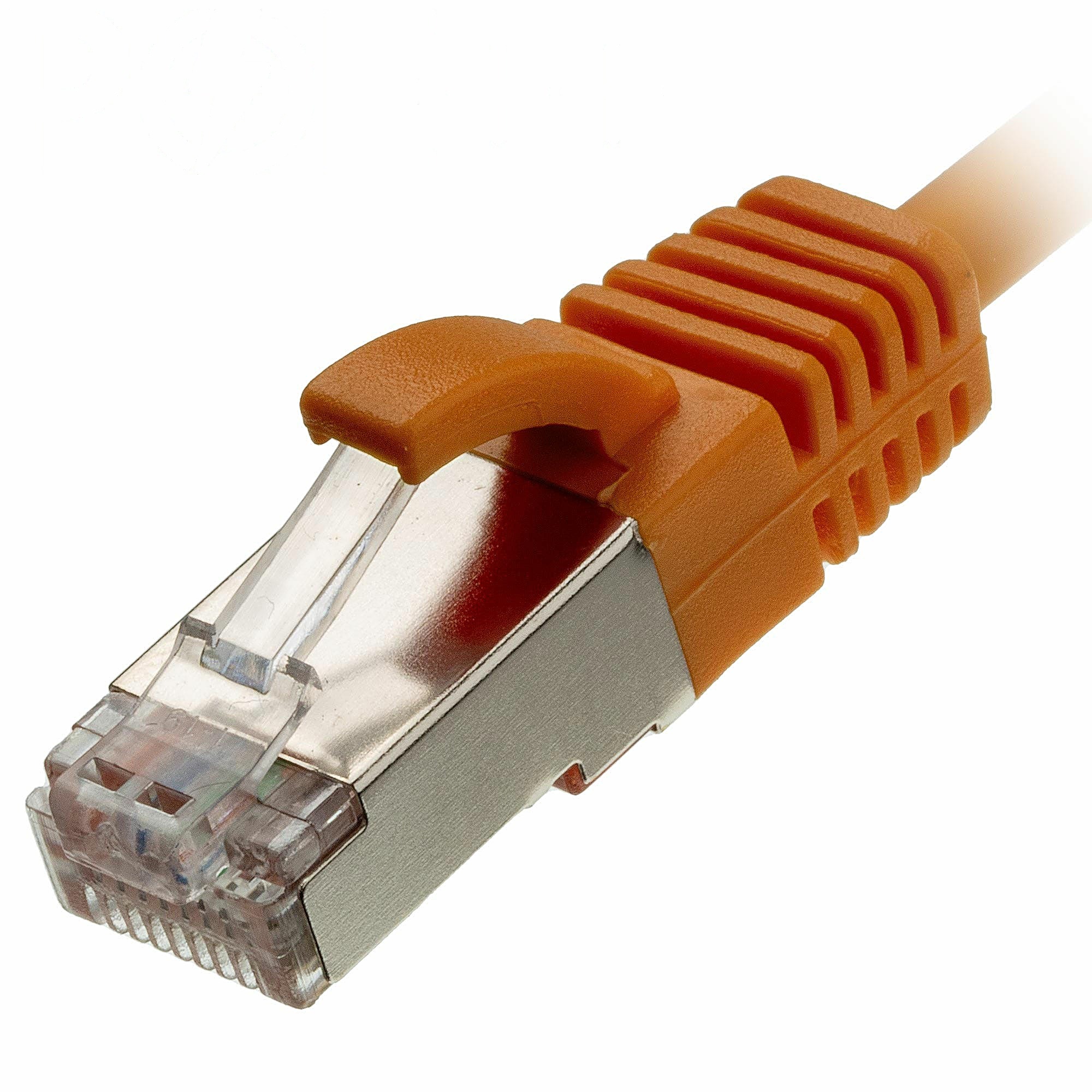
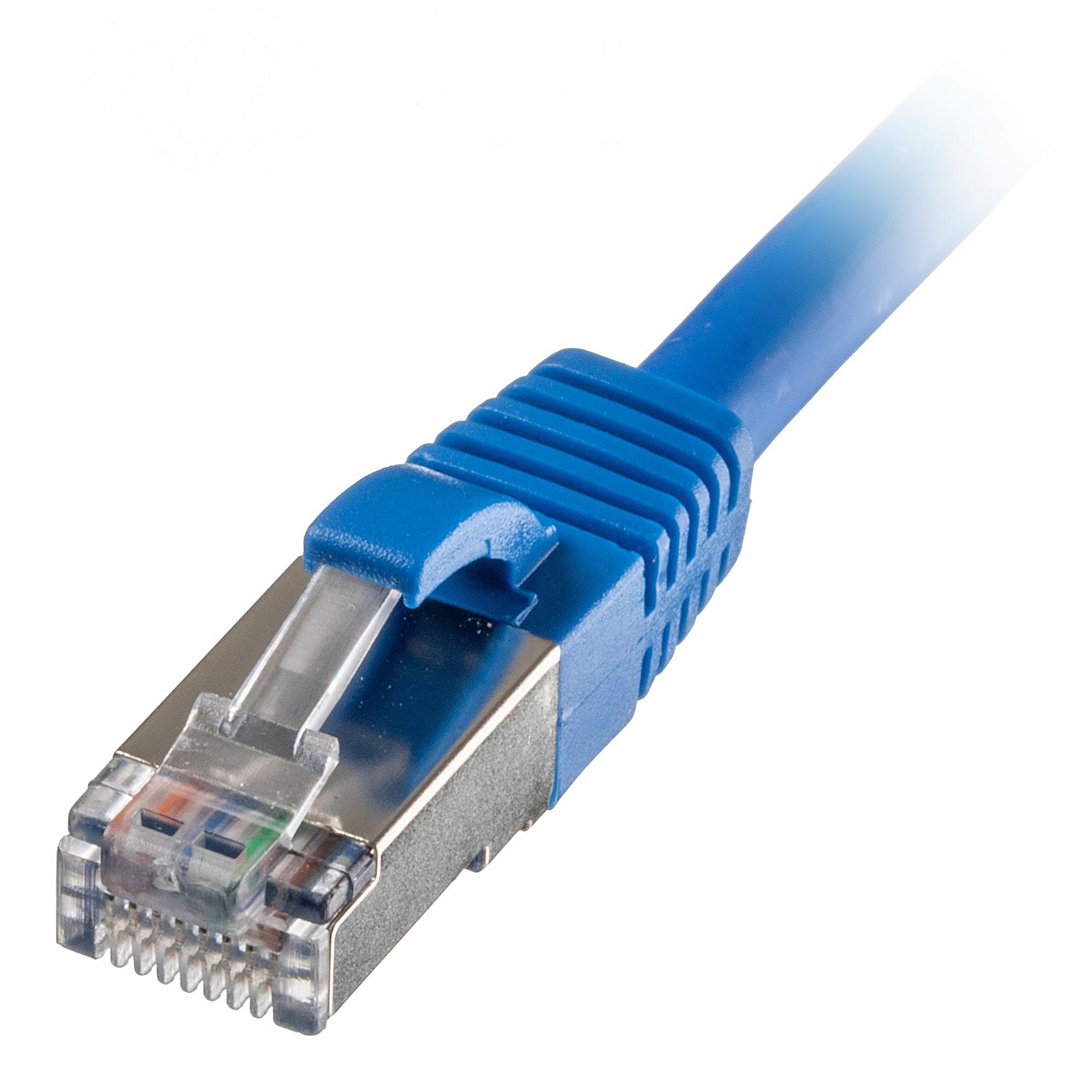
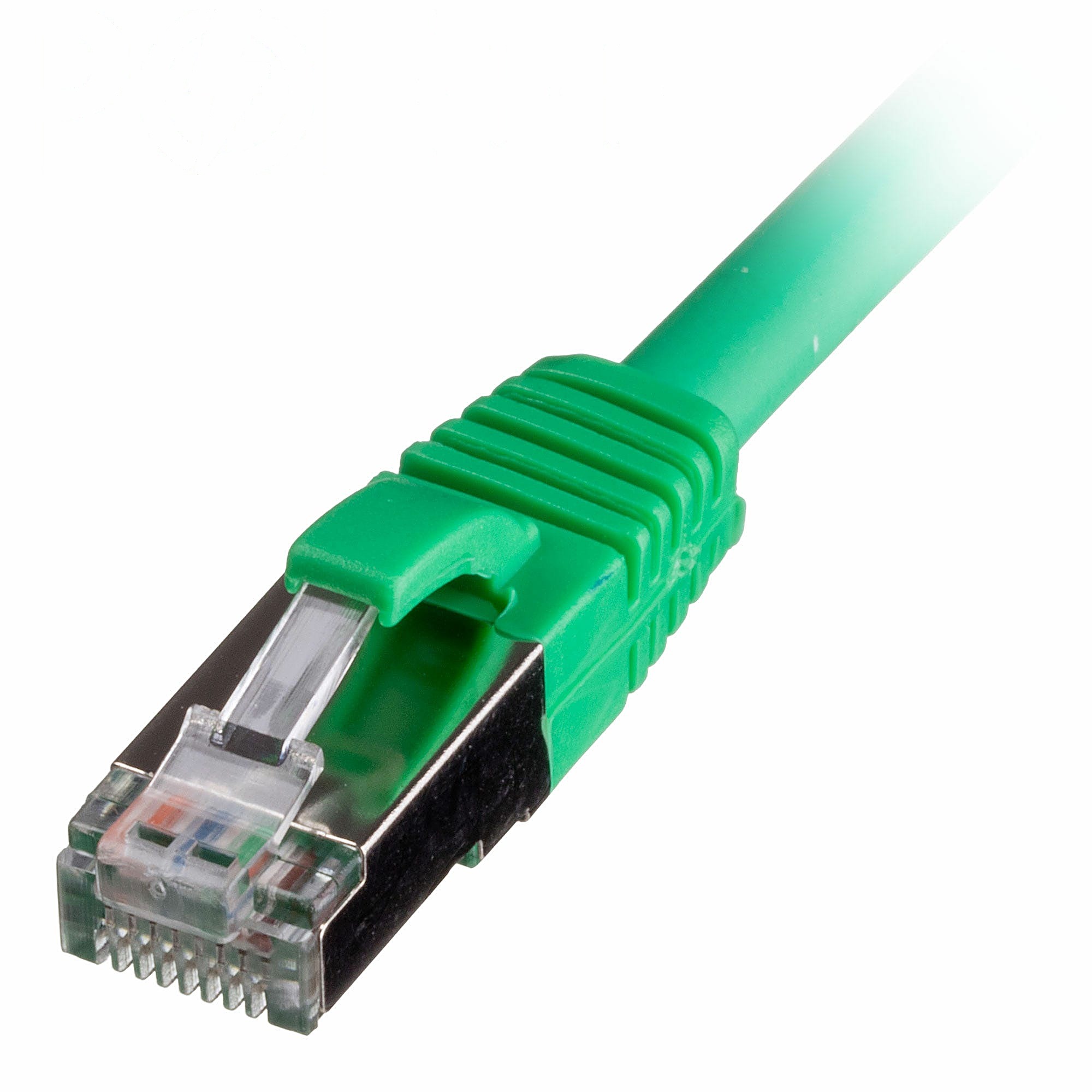
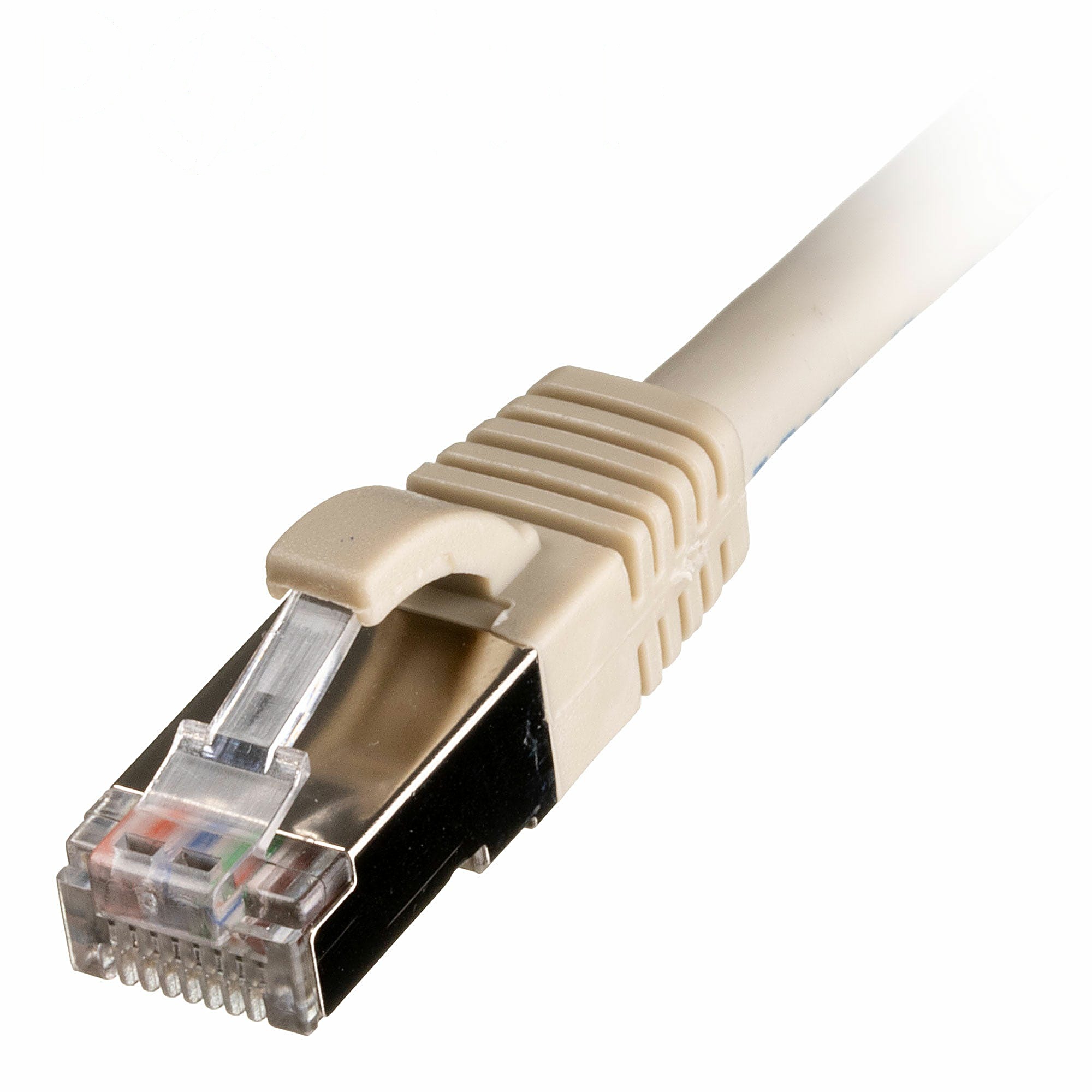
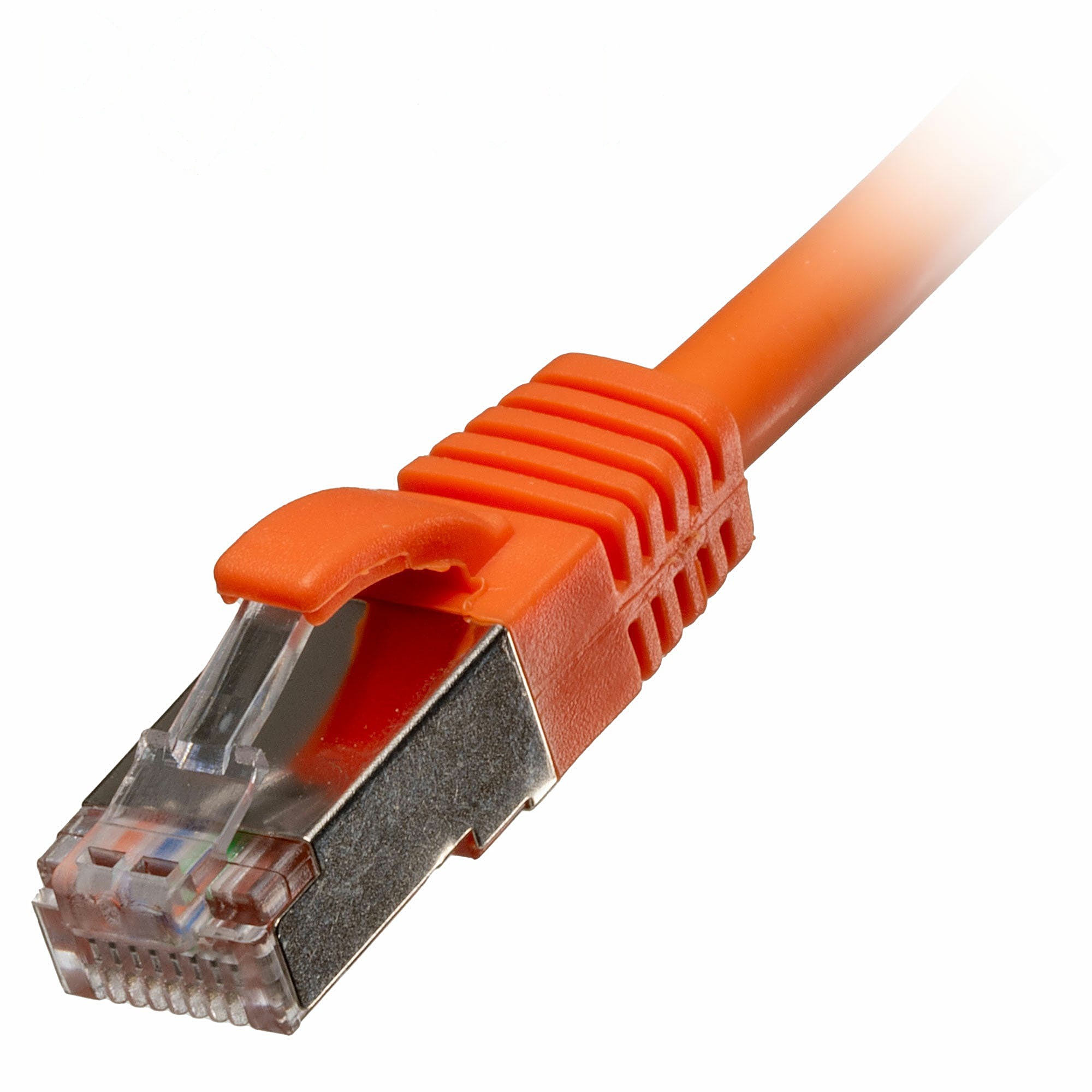
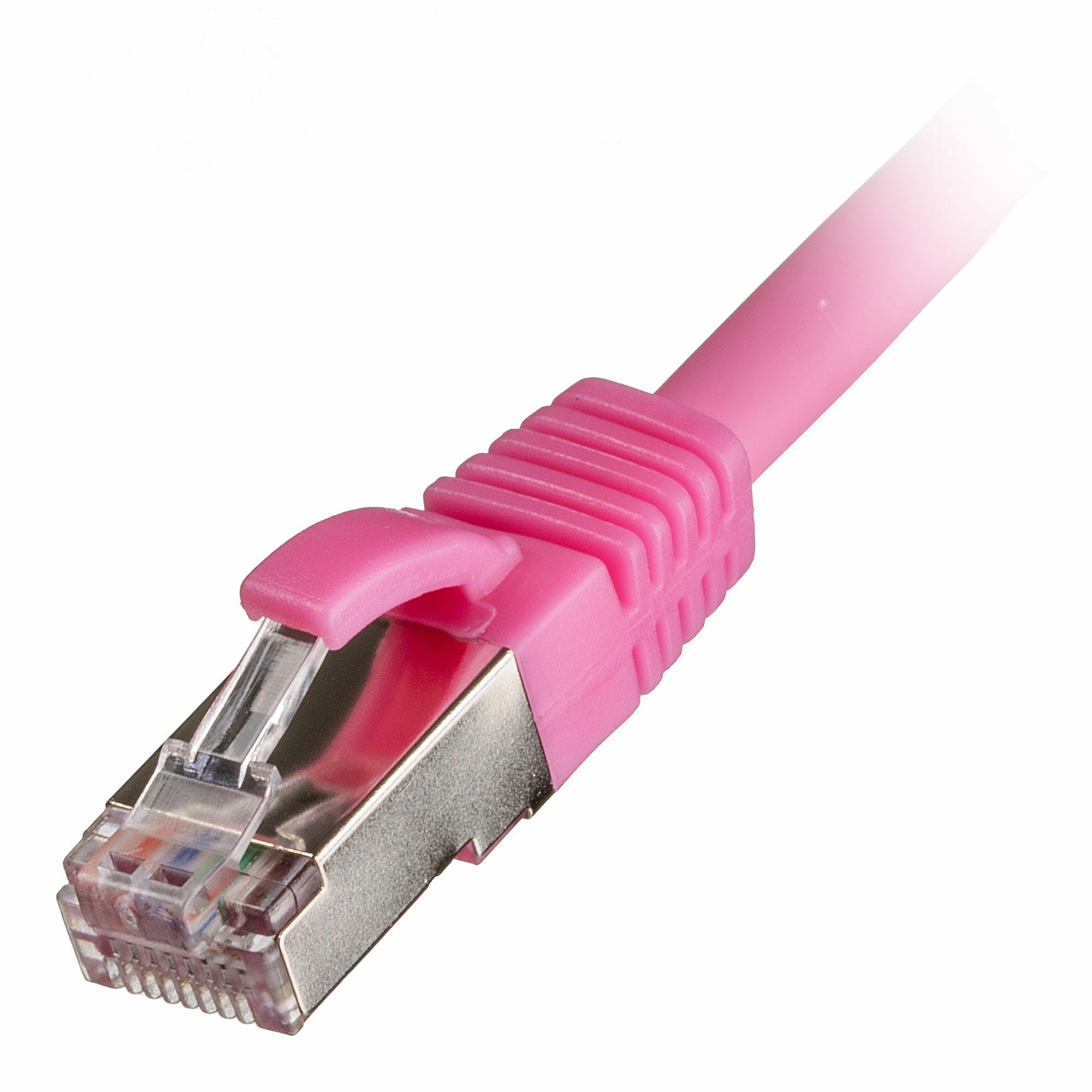
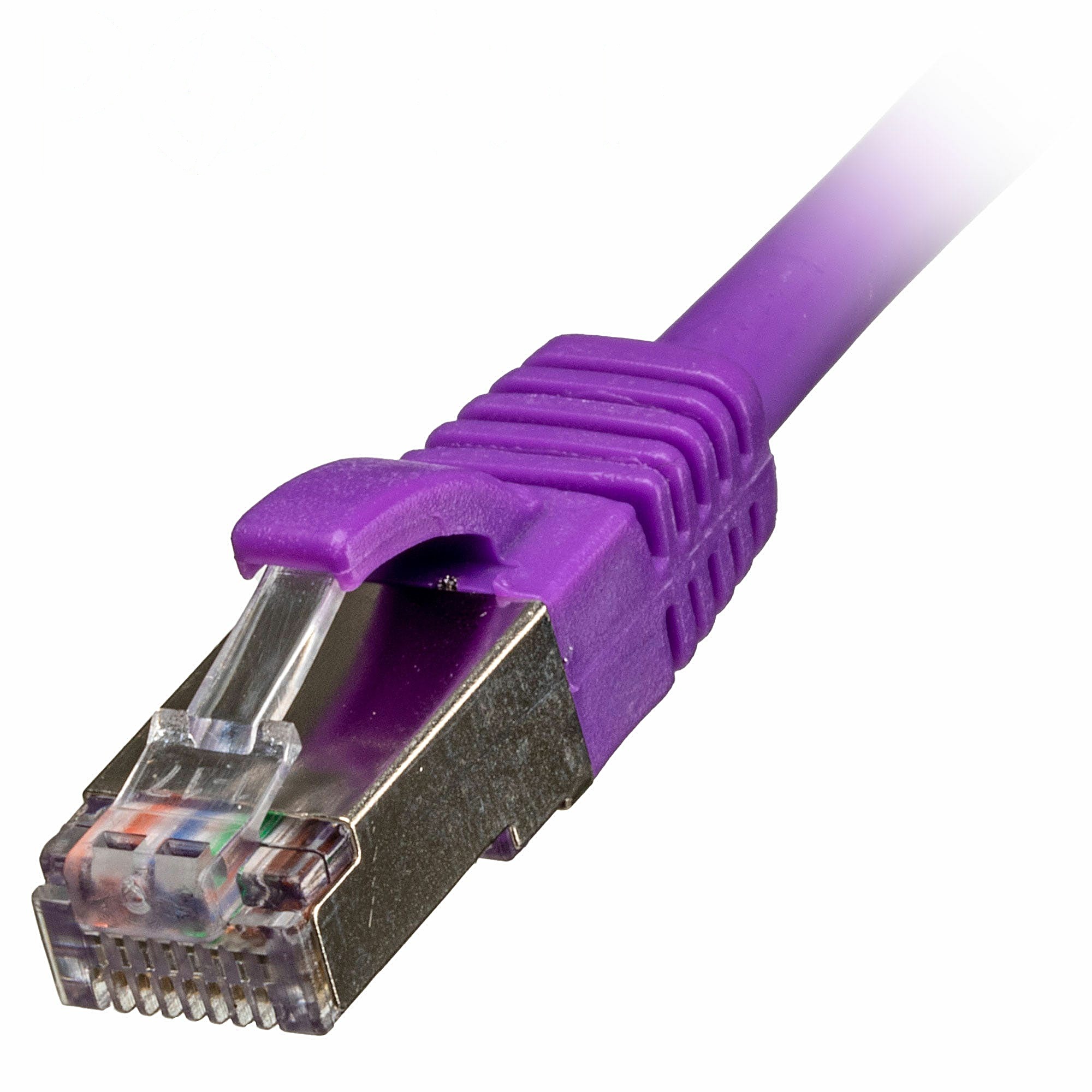
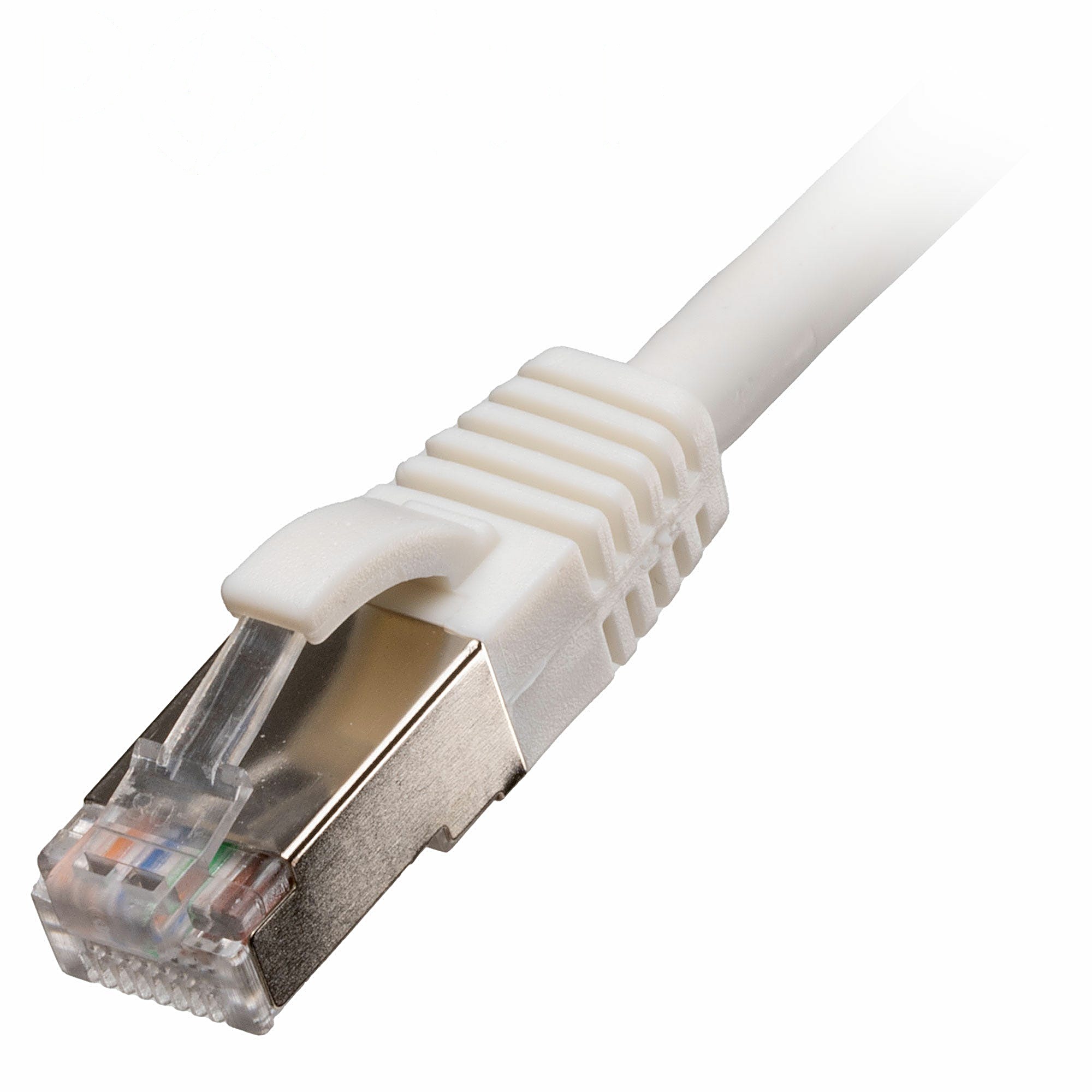
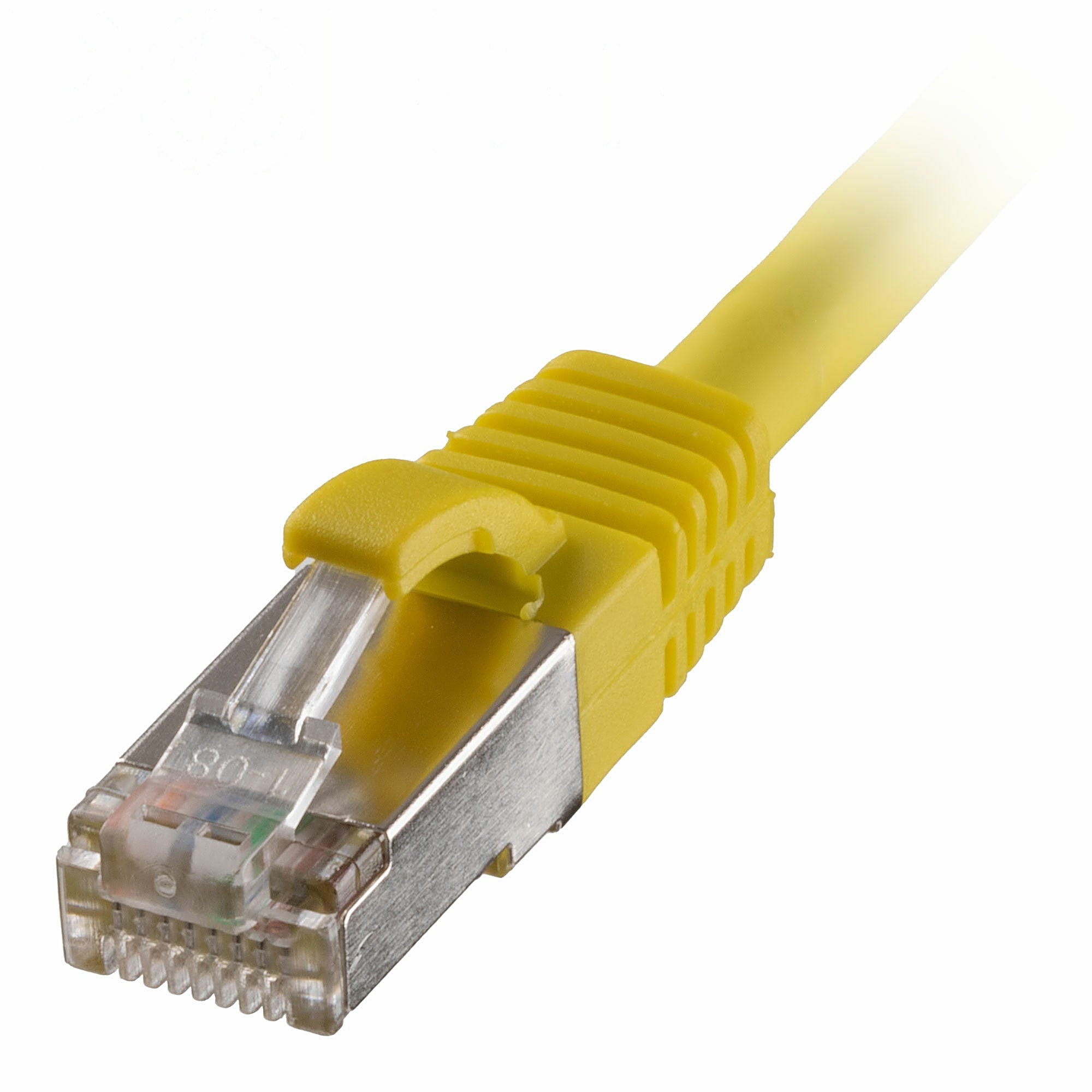
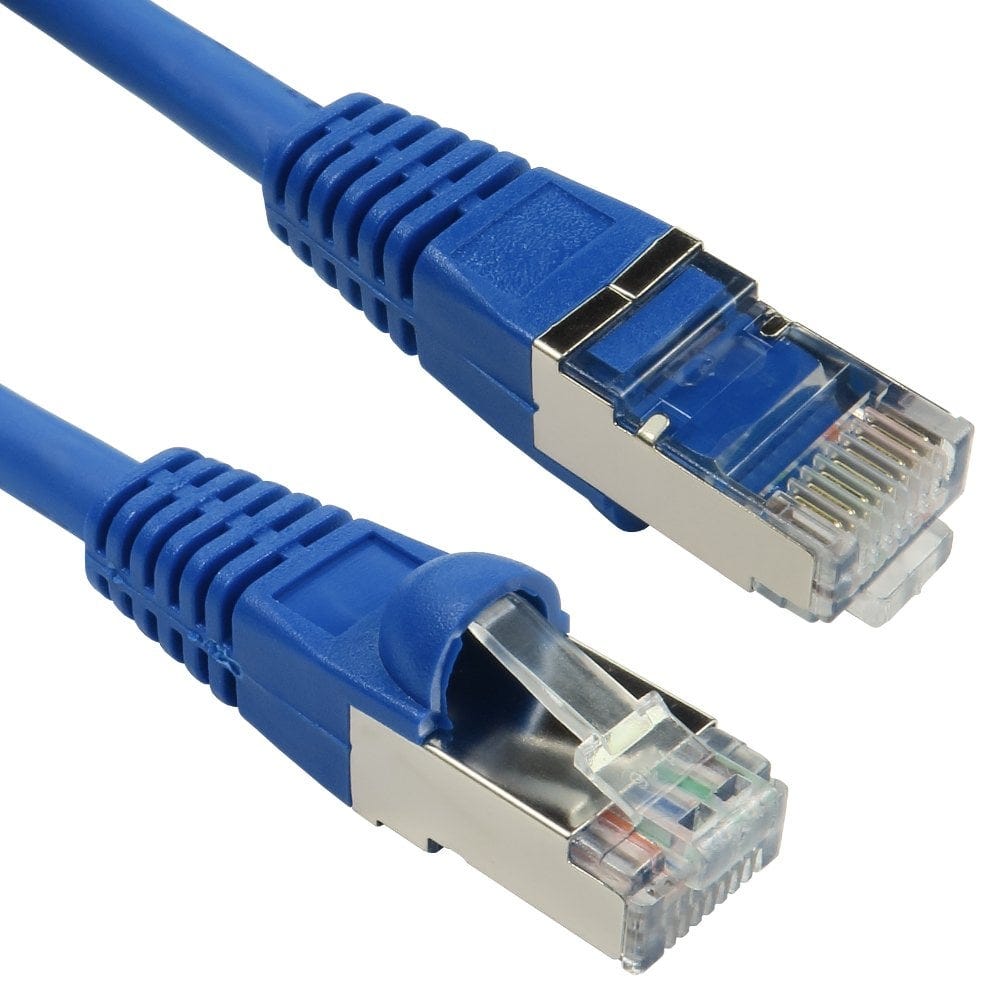
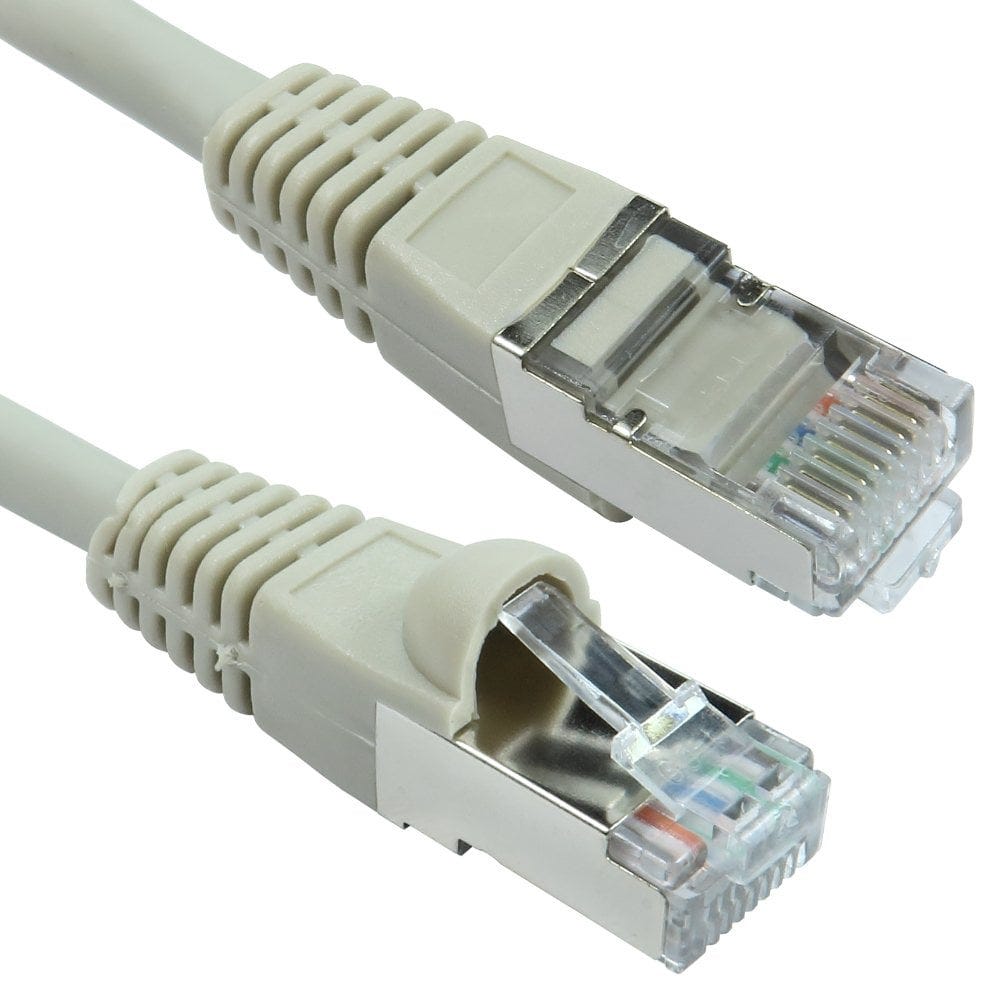
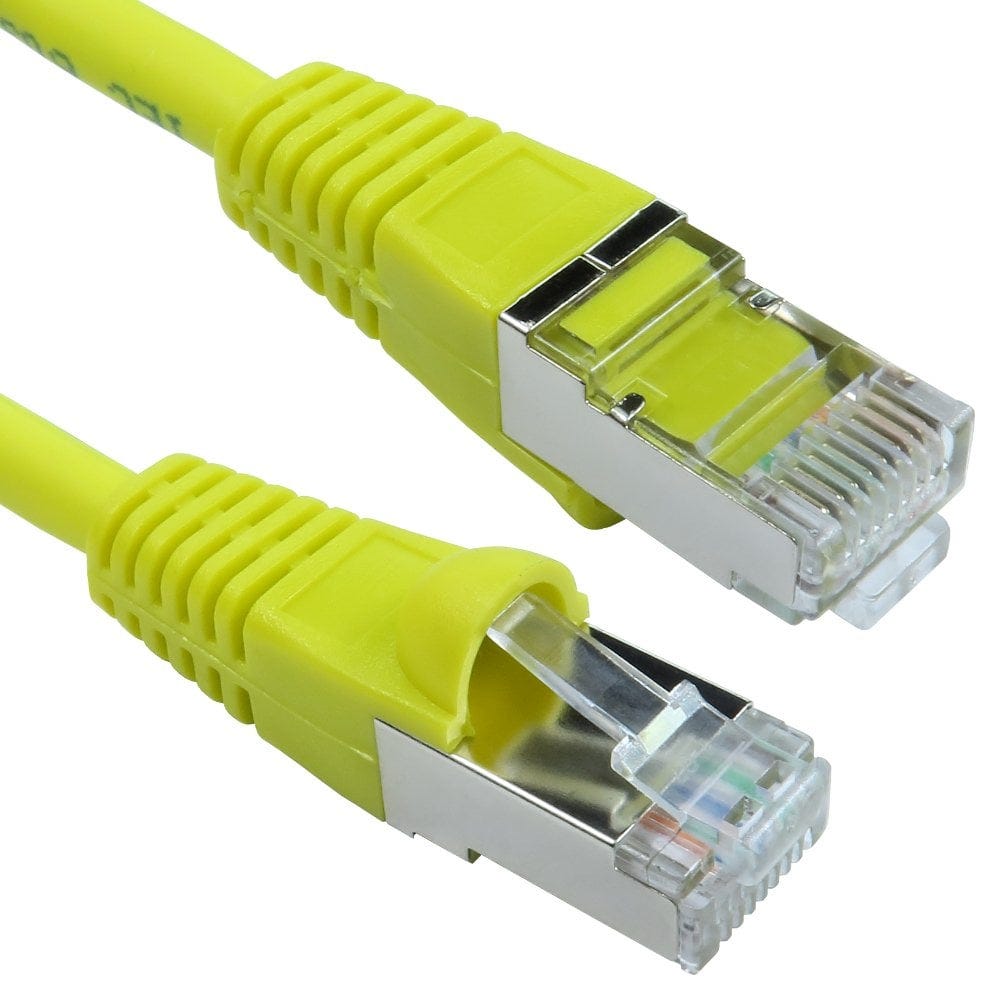
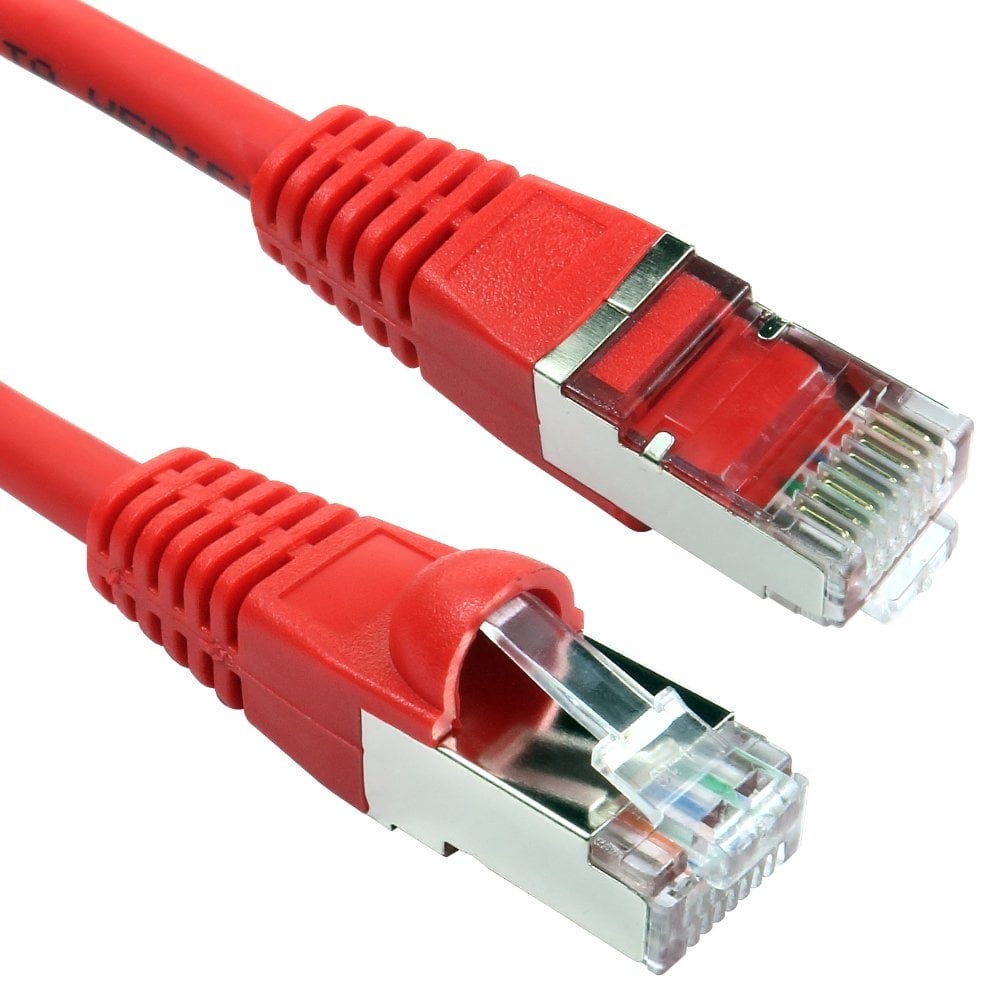
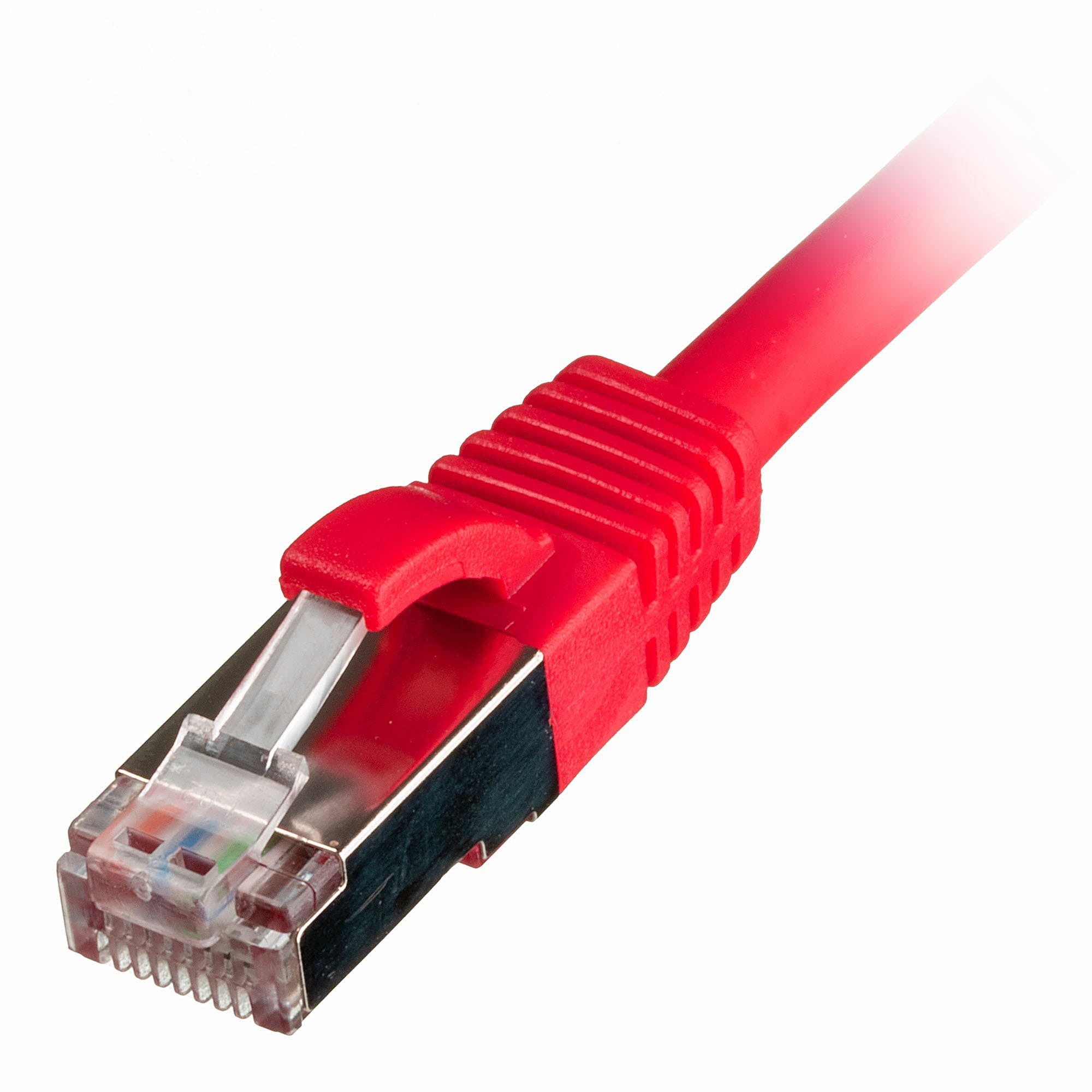
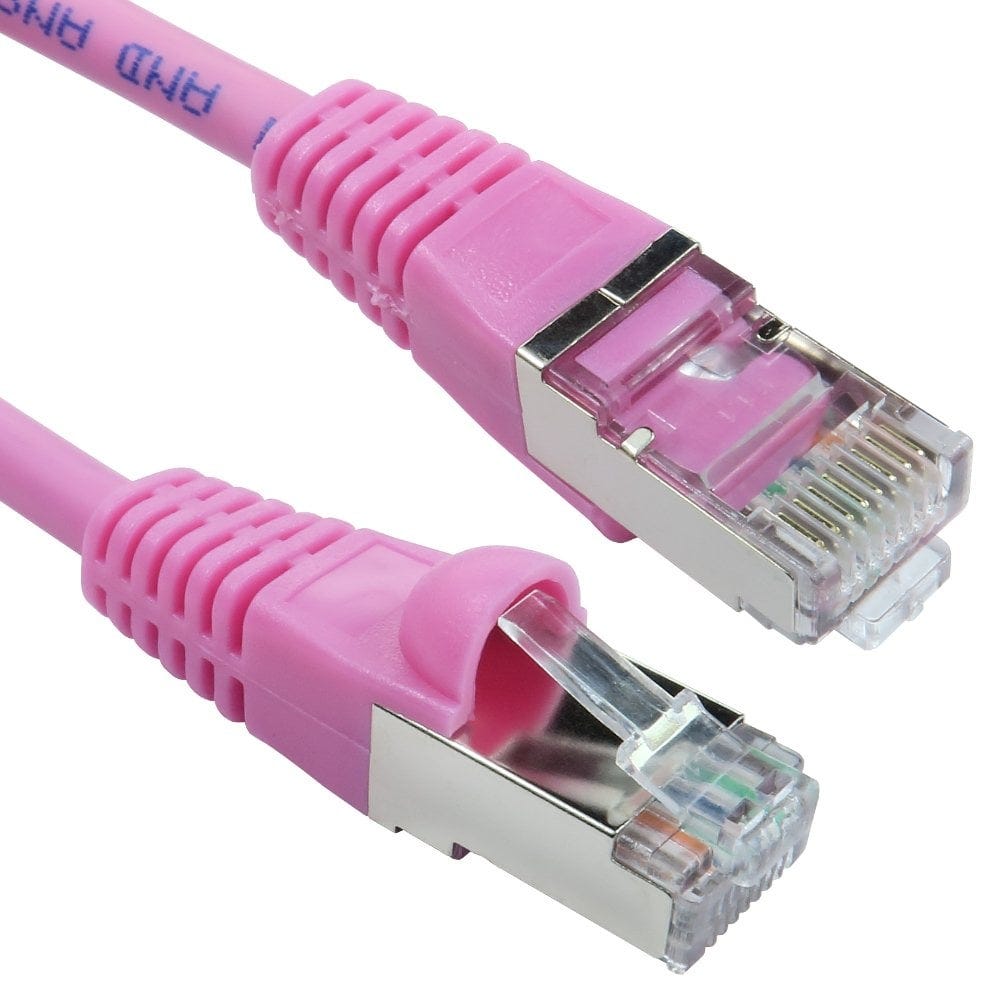
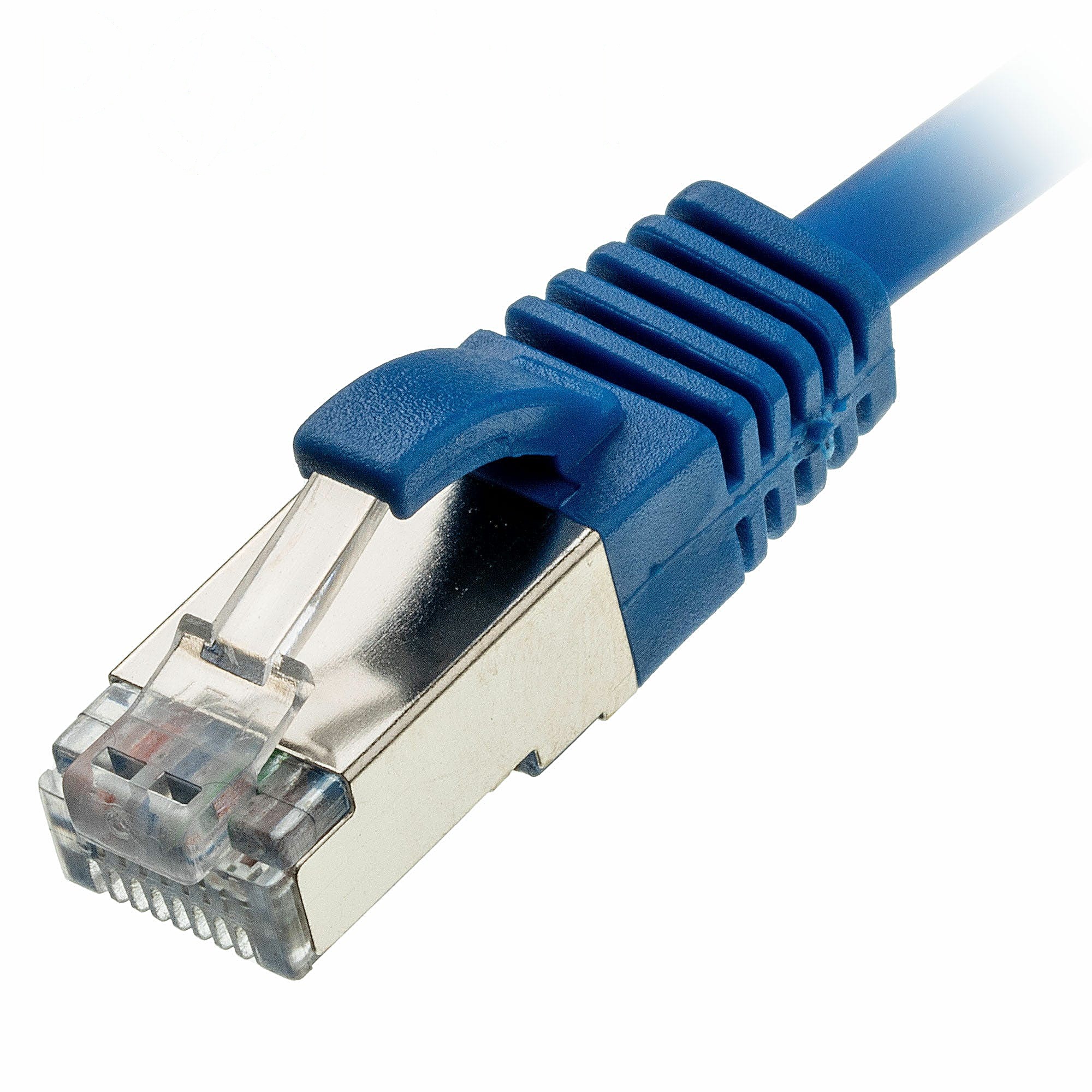
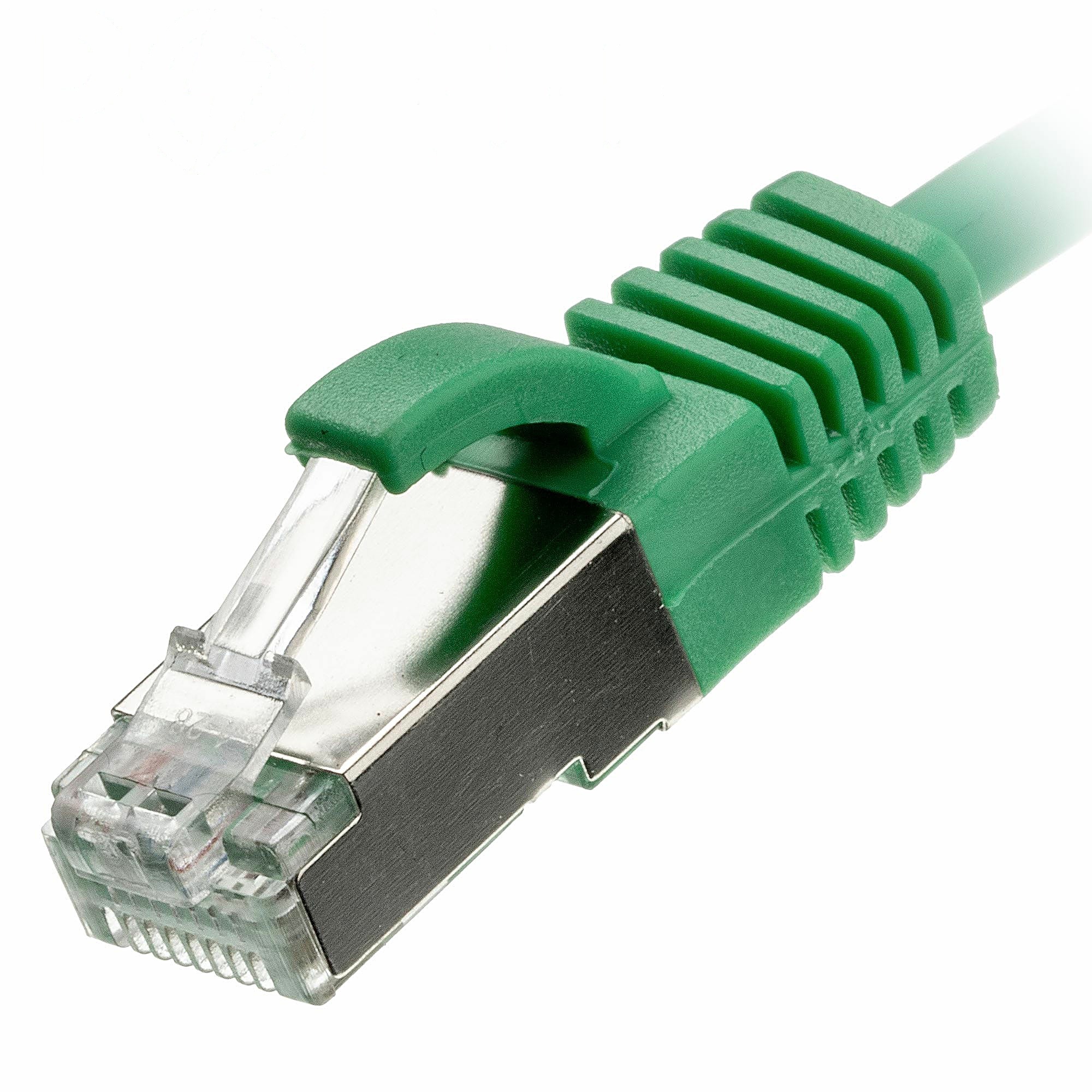
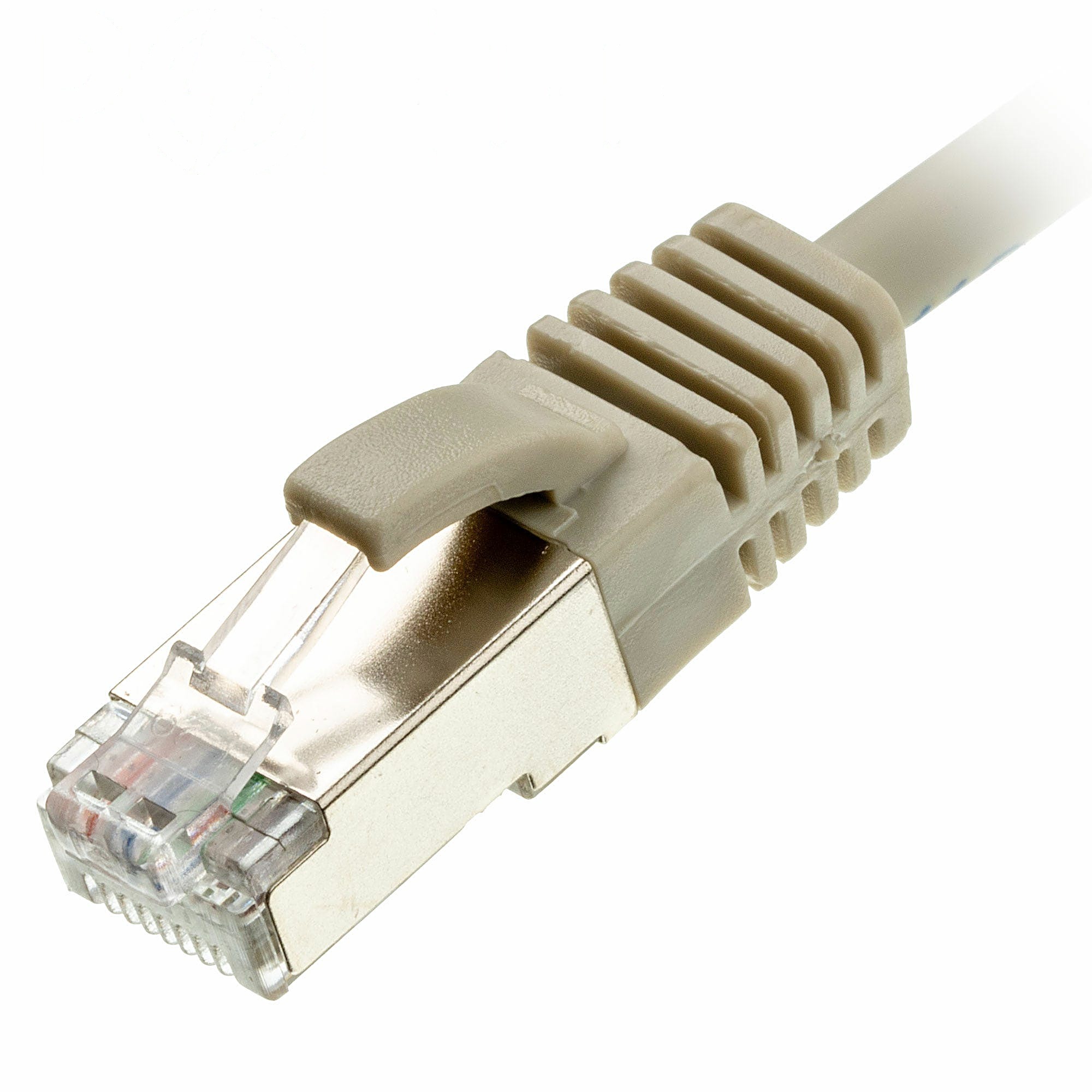
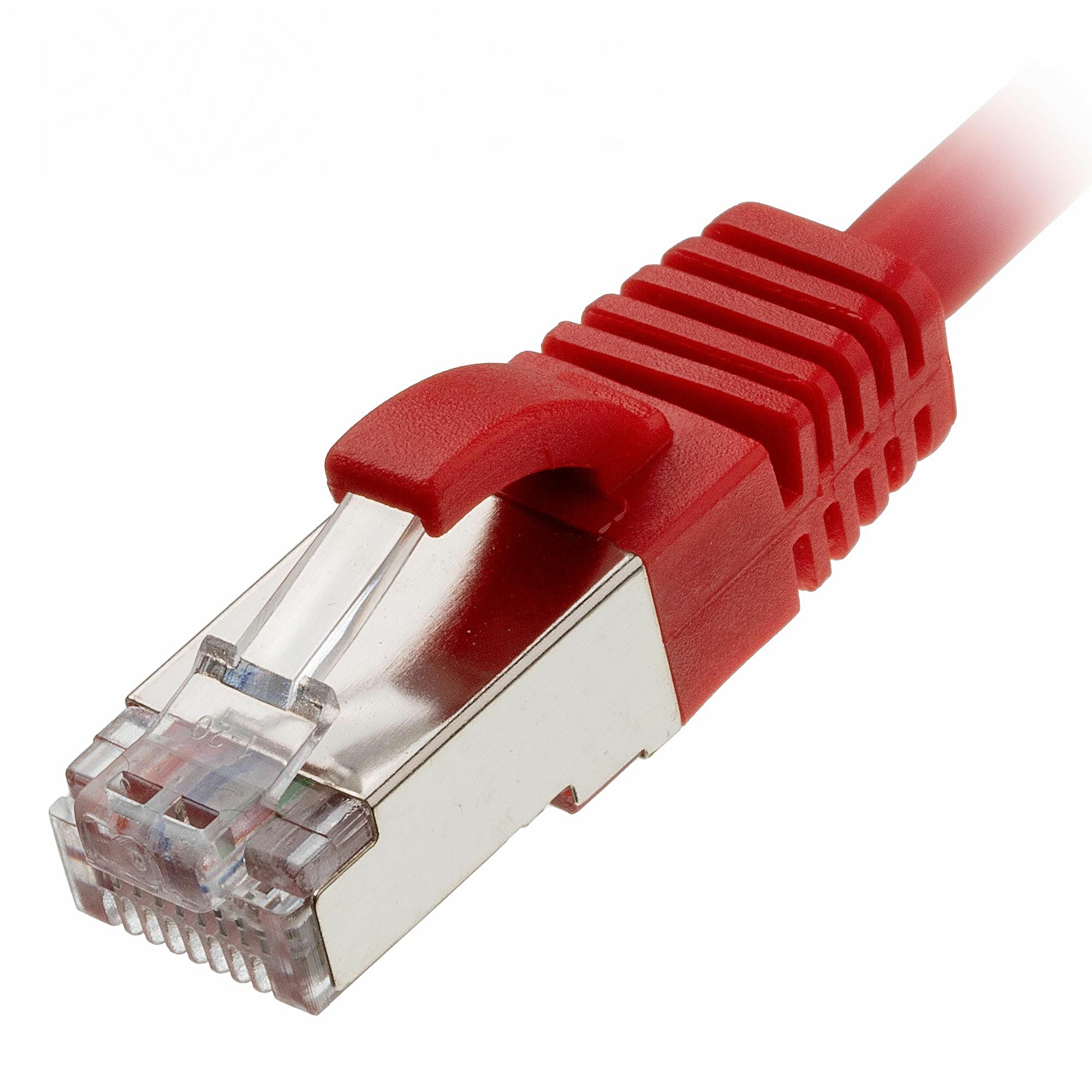
CAT6A ethernet cables for 10 Gigabit networks over the full 100m, in over 30 lengths from 15cm to 50m and 10 colours. Almost all are shielded (S/FTP or U/FTP) with low smoke zero halogen (LSZH) jackets and full copper conductors, and there are slim 30 AWG versions for busy cabinets.
What is CAT6A?
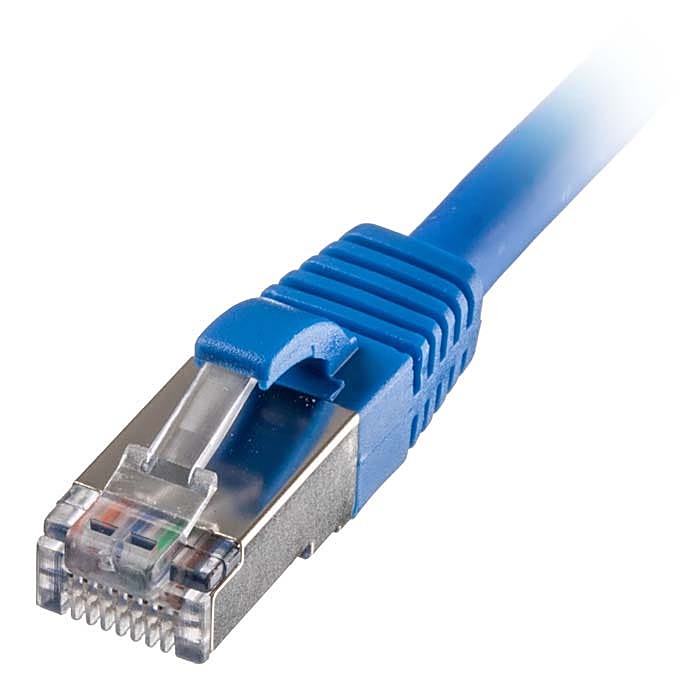
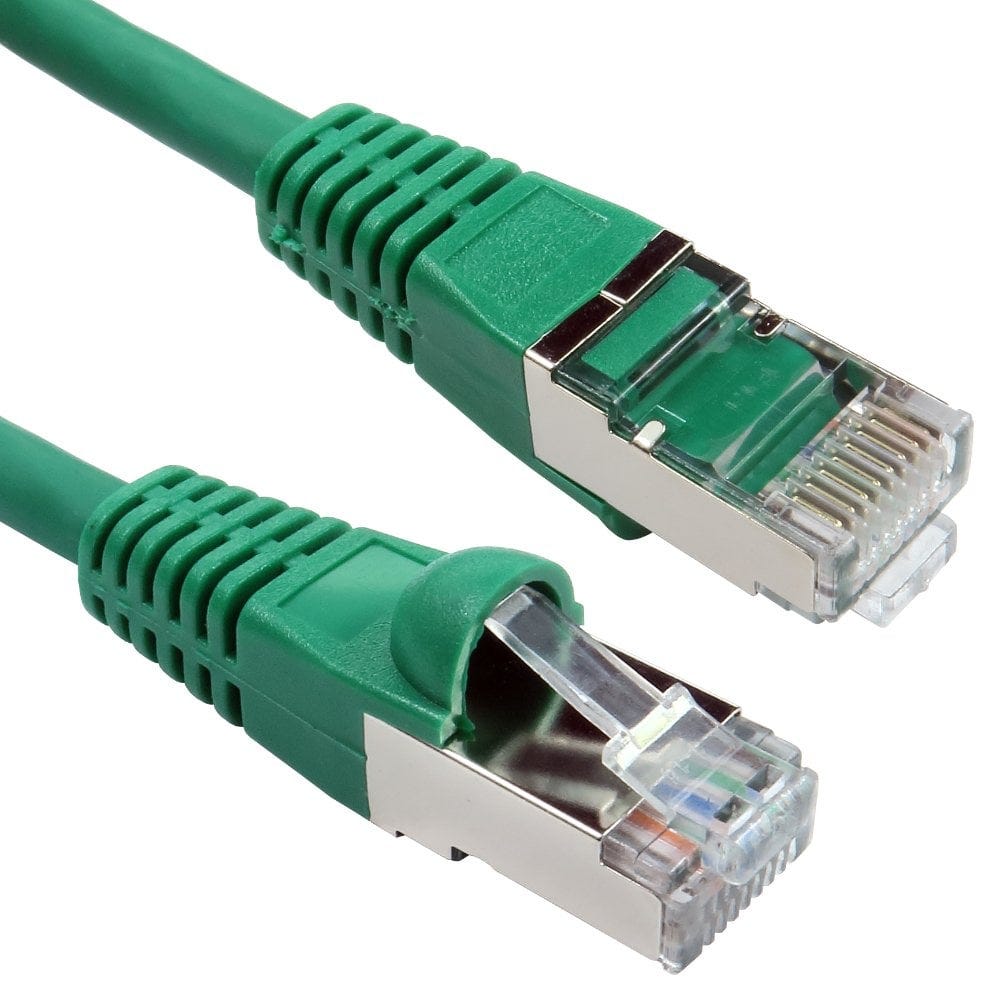
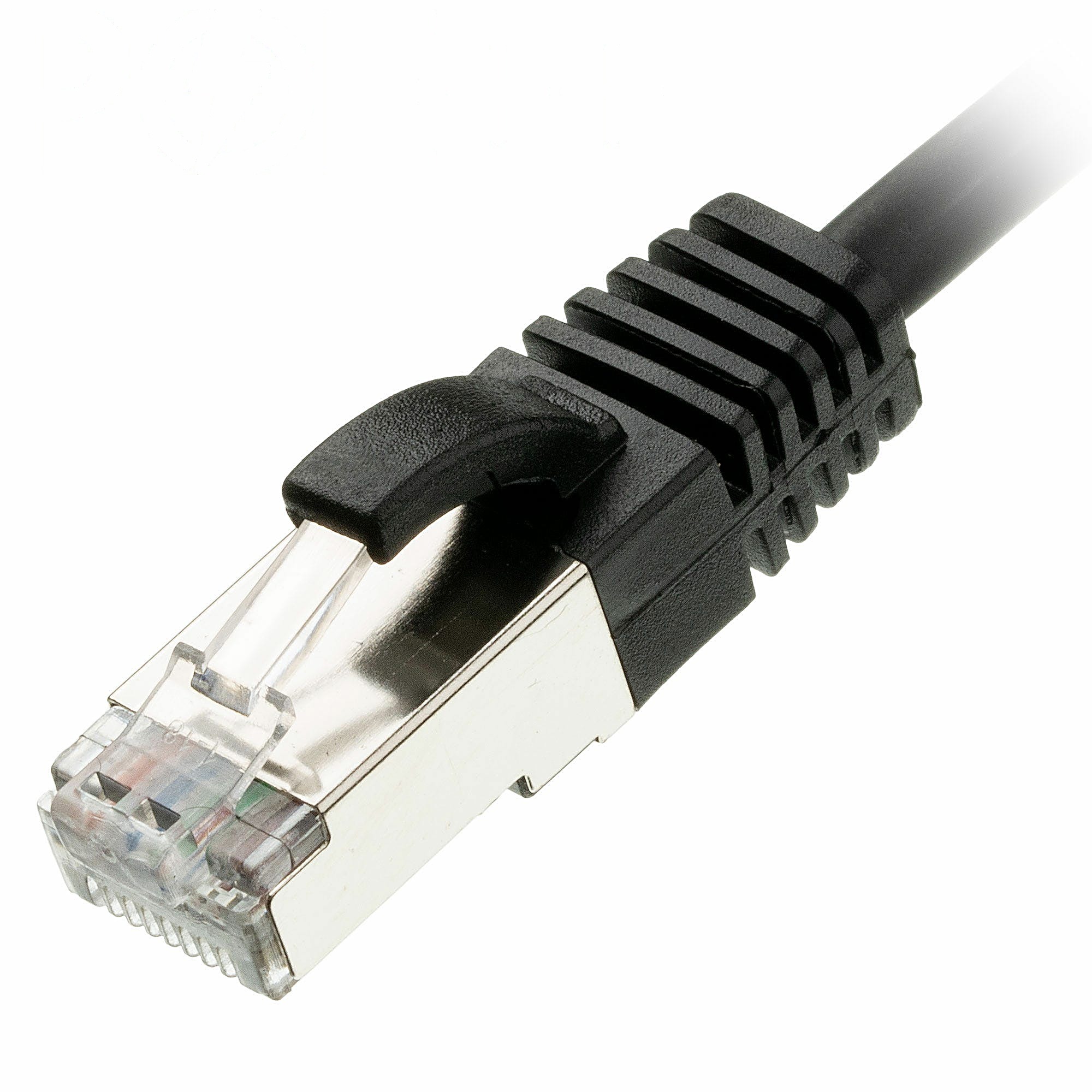
CAT6A (Augmented Category 6) is rated to 500MHz, twice the bandwidth of CAT6. It carries 10 Gigabit ethernet across the full 100m channel, where CAT6 manages 10 Gigabit only up to about 55m. It suits network switches and servers with 10 Gigabit ports, NAS storage, and Wi-Fi access points with 2.5 or 5 Gigabit uplinks, and it works with all CAT5e and CAT6 equipment at their normal speeds.
S/FTP or U/FTP?
S/FTP cables have a foil screen around each twisted pair and an overall braided screen, which gives the most protection from interference in crowded cabinets and next to power cables. U/FTP cables have the foil around each pair but no overall braid, so they are a little thinner and more flexible. Both carry 10 Gigabit. For the full benefit of the screen, use shielded patch panels and sockets; a shielded lead plugged into unshielded equipment still works like a normal cable.
Standard or slim?
Most of the range uses 26 AWG conductors. Slim 30 AWG leads are much thinner and more flexible, which helps in densely packed switches and patch panels. They are ideal for short patching inside a cabinet; for long runs and high power PoE a standard lead is the better choice.
Low smoke zero halogen
Nearly every CAT6A lead we sell has an LSZH jacket, which gives off little smoke and no toxic halogen gas in a fire. LSZH is often required in offices, schools, hospitals and other public buildings.
Long CAT6A runs
Our CAT6A patch leads go up to 50m; see long ethernet cables for every type from 15m up. For runs outside, use our outdoor CAT6A cables. For cable fixed inside walls and ceilings, use CAT6A cable reels finished at faceplates and patch panels.
Do I need CAT6A?
Choose CAT6A if you need 10 Gigabit over more than about 55m, are wiring a new office or server room, or want the cabling to keep up with faster equipment later. For gigabit networks and home broadband, CAT6 or CAT5e works just as well, and is thinner and easier to route.
For what U/UTP, F/UTP and S/FTP mean, and when shielding is worth it, see our guide to shielded vs unshielded Ethernet cable.